
The Italian peninsula served as a crucial chapter in the Tarajmeh saga, from Byzantine maritime expeditions to thriving Tuscan settlements and Mediterranean trade networks.
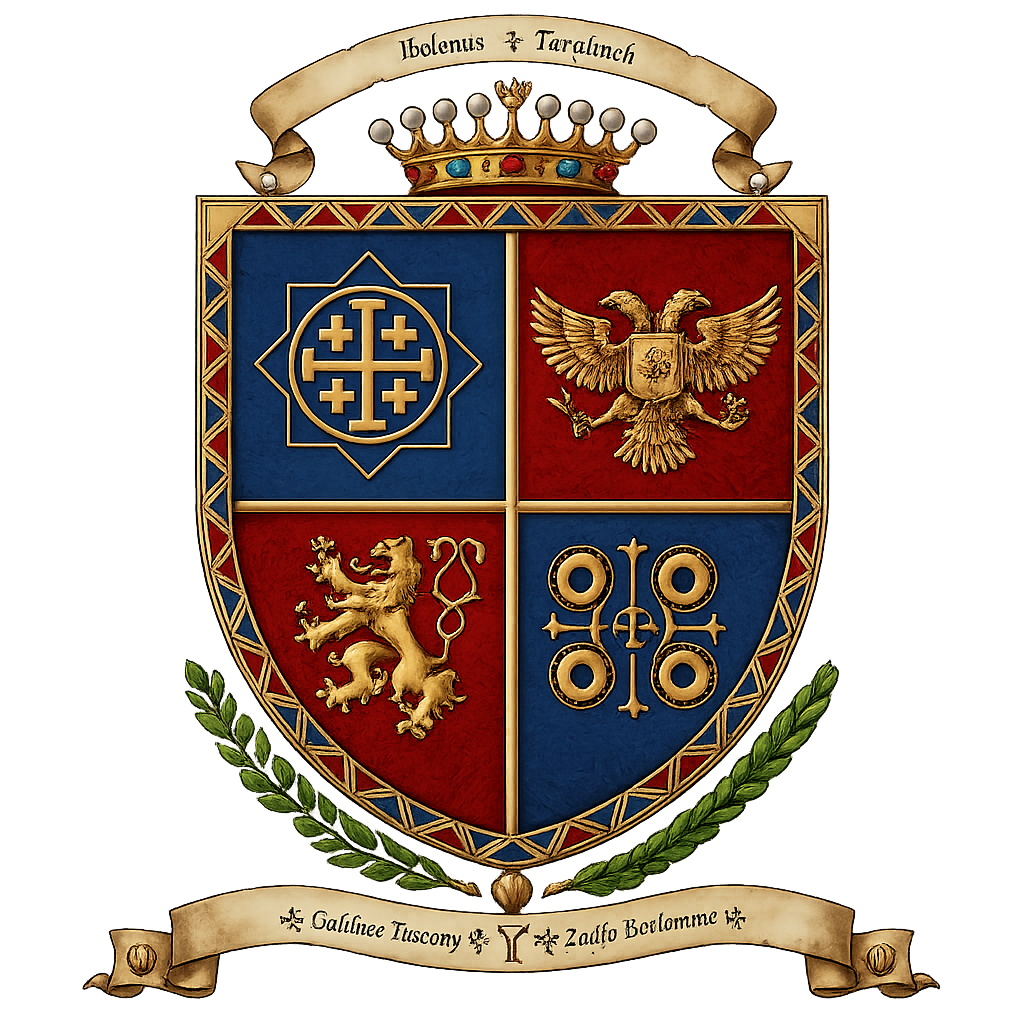

The Italian peninsula served as a crucial chapter in the Tarajmeh saga, from Byzantine maritime expeditions to thriving Tuscan settlements and Mediterranean trade networks.
The seventh century brought profound upheaval to the Byzantine Empire. Although Emperor Constans II’s predecessors eventually recovered Syria, Palestine, and Egypt from Persian occupation, decades of warfare left the empire exhausted and vulnerable. Within a few years, Arab Muslim armies conquered these provinces, permanently transforming the empire and forcing Byzantium to rely increasingly on Anatolia, Tunisia, Greece, southern and other parts of Italy, and Sicily for its survival.
The loss of the eastern provinces also encouraged the movement of people westwards across the Mediterranean. Soldiers, officials, clergy, merchants, and noble families from Syria and Palestine settled in Byzantine territories, such as Rome, Sicily and Tunisia, that remained secure. Sicily, strategically positioned between Constantinople, Italy, and North Africa, became one of the empire’s most important military and administrative centres.
Recognising this new reality, Emperor Constans II launched an expedition to Italy in 663. Facing pressure from both the Lombards in Italy and expanding Arab naval power across the Mediterranean, he campaigned in southern Italy before visiting Rome, the first reigning Byzantine emperor to do so in nearly two centuries. He then established his esidence in Syracuse, Sicily. Syracus acted as the central administrative and military hub for central Mediterranean and other marine basis in Tunisia, Sardinia and Corcisca. From Sicily, he could better coordinate the defence of the empire’s western territories.
It was within this historic transformation that the Tarajmeh ancestors emerged. Serving as advisers and senior officers within the Byzantine maritime forces, they joined Constans II’s western expedition in 663 and ultimately settled in Syracuse. From this strategic base they participated in maritime missions throughout the Mediterranean, Tyrrhenian, and Ligurian seas, contributing to the defence and administration of the empire during one of the most pivotal periods in Byzantine history.
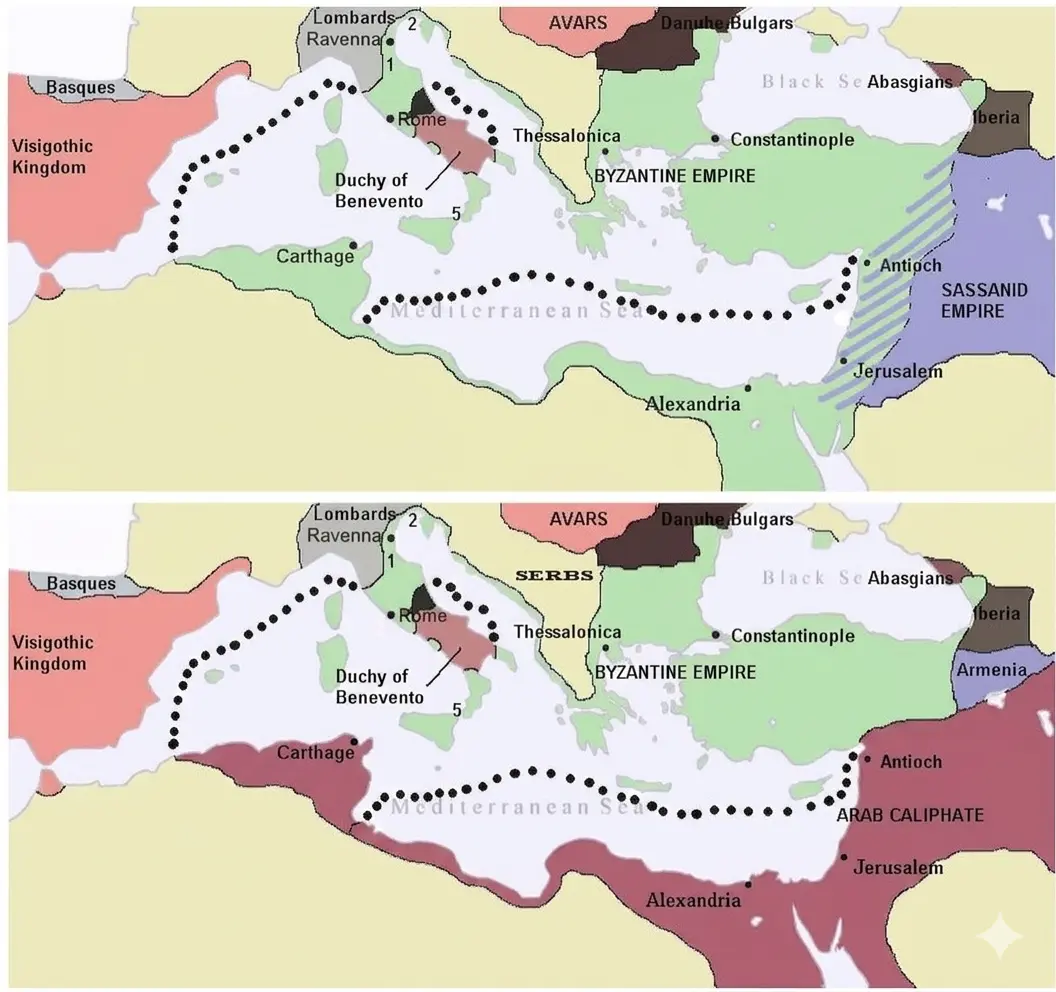
The end of Byzantine control in Egypt occurred within a single generation. The top map shows the Byzantine Empire circa 626 AD, at the end of the Byzantine-Sassanid wars, atter Heraclius reconquered Syria, Palestine and Egypt from the Sassanians. Striped sections show the territories raided by the Sassanians. The map above shows how the Arab Conquest redrew the map by 650 AD. The Caliphate seized control from Arabia and Persia to modern-day Tunisia – including all of present-day Egypt. (Modified from: https://byzantinemilitary.blogspot.com/2011/10/siege-of-constantinople.html)
The Roman and Byzantine Empires were among the most diverse and cosmopolitan civilisations of the ancient and medieval worlds. Modern ideas of nationality do not easily apply to these states, whose populations included Greeks, Syrians, Palestinians, Armenians, Arabs, Egyptians, Slavs, North Africans and many other peoples. Political, military and religious leadership was drawn from across the empire, with advancement often based on ability, education and service rather than ethnic origin.
The Roman Empire integrated peoples from Europe, North Africa and the Near East through a shared legal system, civic institutions and Graeco Roman culture. Provinces such as Syria and Palestine became major centres of commerce, learning and administration, producing influential elites who rose to the highest levels of government. The Severan Dynasty, which combined North African and Syrian heritage, illustrates how provincial families could attain imperial power while remaining fully integrated within the Roman state. Philip the Arab ( Marcus Julius Philippus) Born near Shahba, a city south of Damascus.
The Byzantine Empire continued this diversity. While united by Roman identity, the Greek language and Orthodox Christianity, it incorporated a wide range of ethnic groups. Armenian families became especially prominent, producing emperors, generals and aristocrats who played central roles in government. Dynasties such as the Isaurian ( the Syrian) , Macedonian and Komnenian houses reflected the growing influence of leaders from the eastern provinces, while scholars such as John of Damascus made important contributions to Christian thought and learning.
Southern Italy and Rome during the 7th century also reflected the multicultural character of the wider Mediterranean world. Following the Lombard conquests, the region became a mosaic of Byzantine territories and Lombard duchies where Greeks, Lombards, Armenians, Syrians and local Latin populations lived alongside one another. Greek speaking refugees, monks and officials arriving from the eastern provinces reinforced Byzantine culture, language and religious traditions, particularly in areas such as Calabria and Naples. Armenian communities played an important role in the defence of Byzantine territories through military service, while Syrian and Palestinian merchants, clerics and monks contributed to religious life, scholarship and cultural exchange. Their influence helped strengthen links between the Eastern Mediterranean and Western Europe, making southern Italy an important centre of cultural and intellectual interaction.
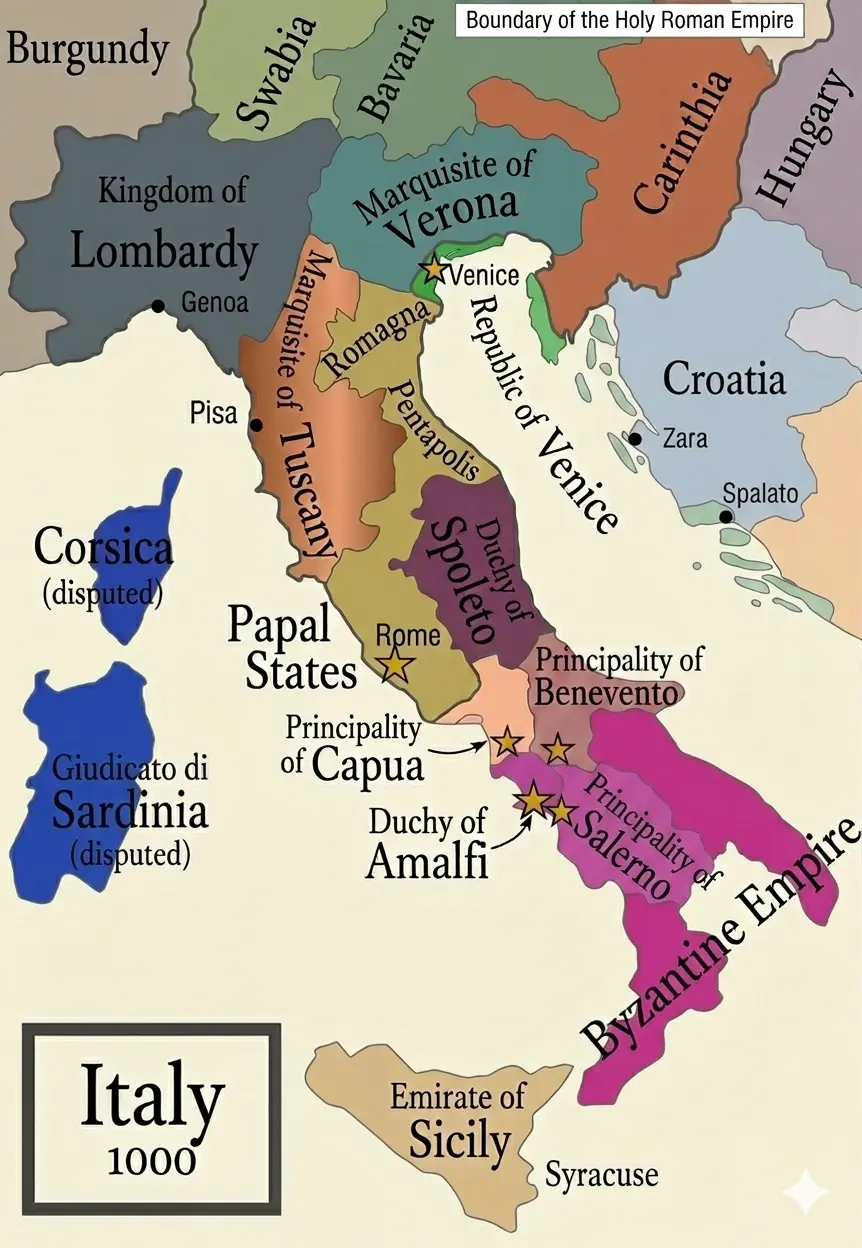
This multicultural character was also reflected in the Church. Several popes during Late Antiquity and the early Middle Ages originated from Syria and Palestine, while Armenian, Syrian and other eastern Christian communities became established in Constantinople, Rome and southern Italy. Their contributions to theology, diplomacy and education demonstrate how the Roman and Byzantine worlds were shaped by the interaction of many peoples and cultures across the Mediterranean and Near East.
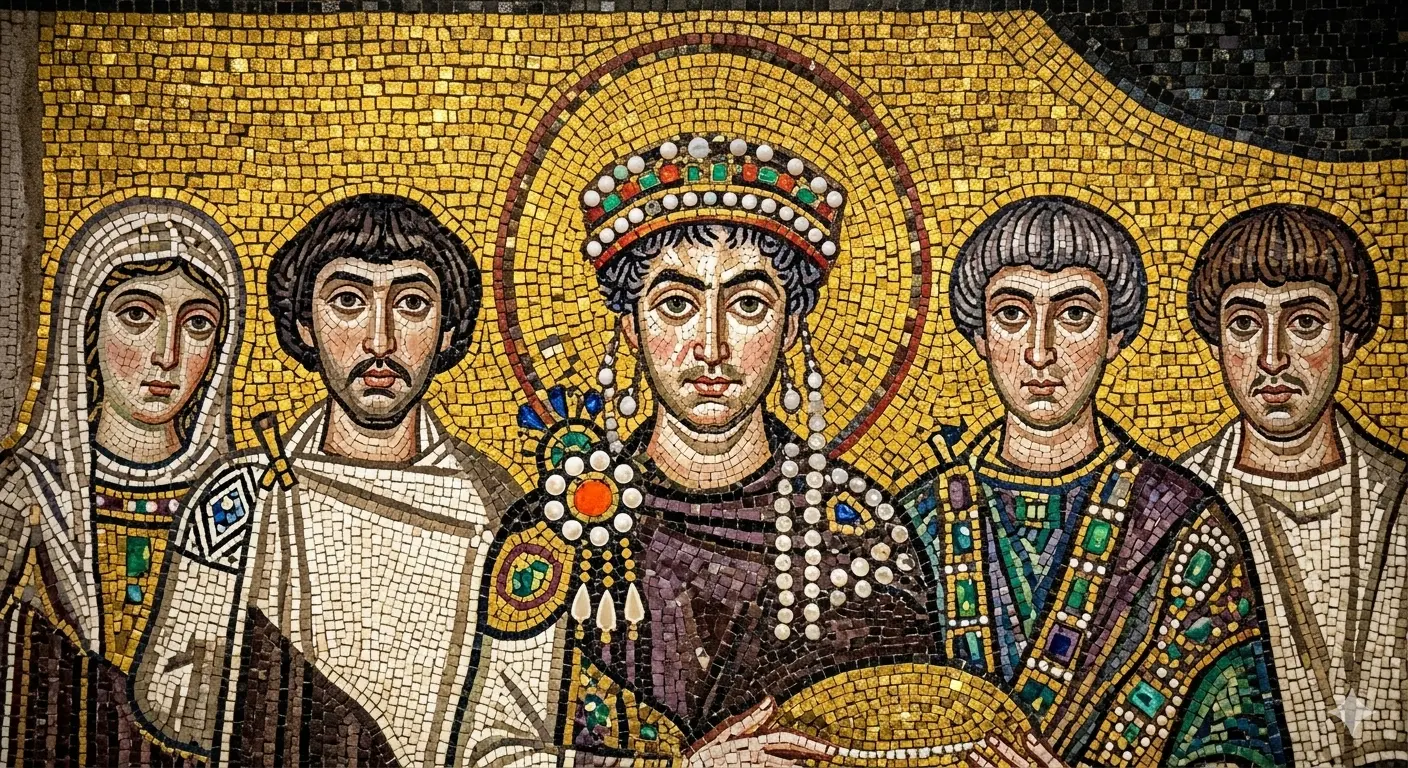
Tarajmeh ancestors travelled with early Byzantine maritime expeditions in the 7th century, first to Sicily, then Sardinia and Corsica, finally settling in Sardinia. They later moved to Lazio region in the 8th century and then some of family members moved to Tuscany in the 9th century to the areas of Grosseto province in Southern Tuscany and Monte Pisano between Pisa and Lucca in Central Tuscany.
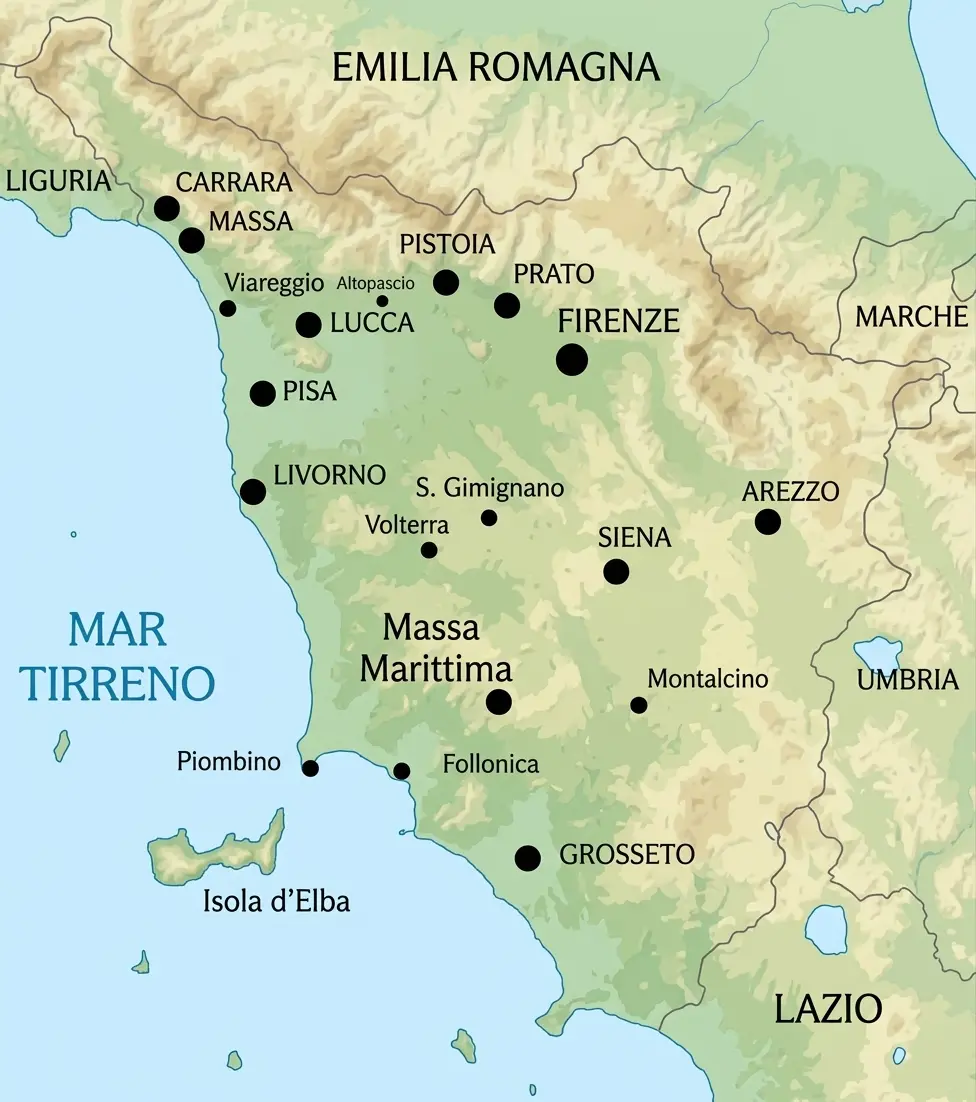
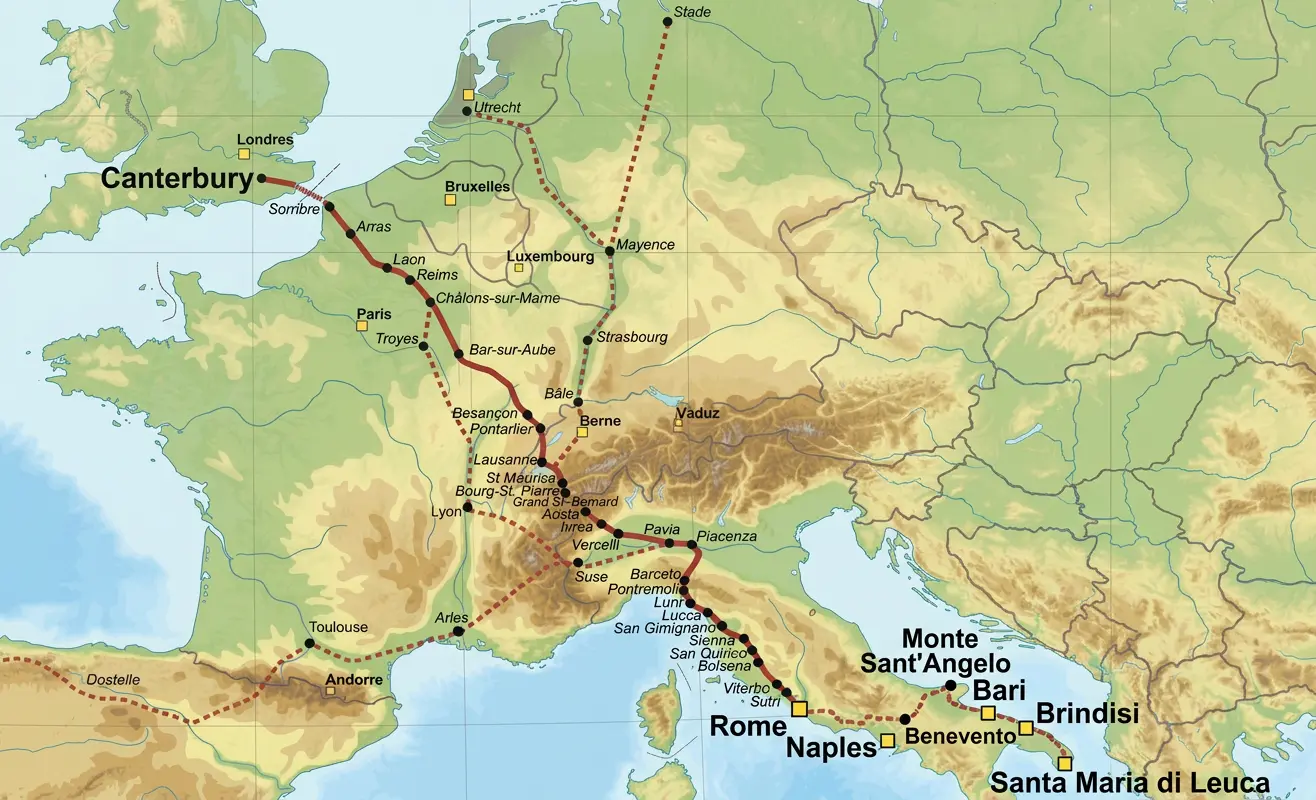
They lived in towns near the Francigena route used for trade with Europe and Southern Italy and pilgrims to travel to Rome.
The Francigena route, one of the most important pilgrimage paths in medieval Europe, connected Northern Europe to Rome and beyond. The Tarajmeh clan ancestors strategic positioning along this route positioned them perfectly for both trade and spiritual commerce-guiding pilgrims, facilitating trade, and building connections across Europe.
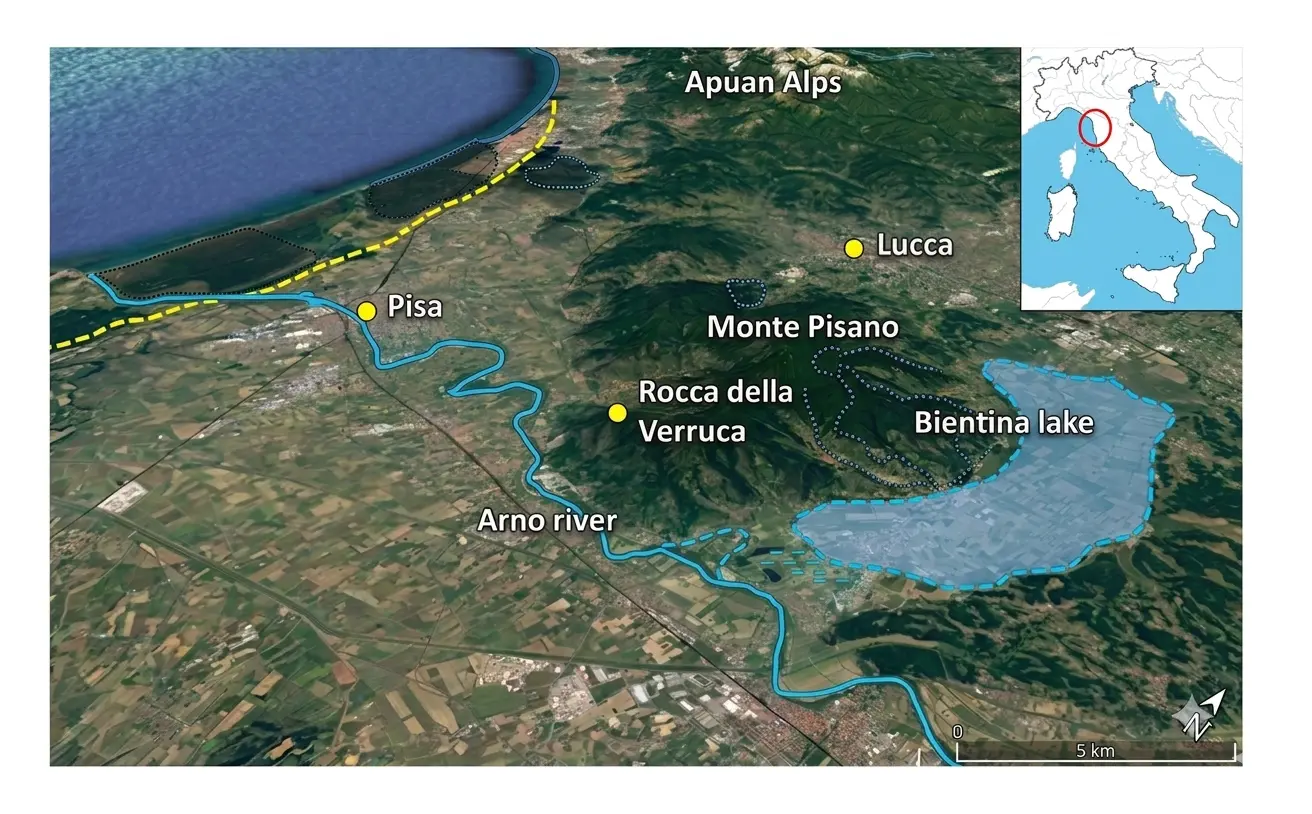
Tuscany, in the 9th century the area of Monte Pisano functioned as a cornerstone of central Tuscany’s architectural and economic life. The quarries supplied limestone, breccia, verrucana stone, quartzite, red stone, and brick-making materials. The stones were transported across the rivers of Arno and Serchio, and on the Francigena pilgrim’s road. The stones shaped churches, monasteries, castles, and noble residences from Pisa and Lucca and across the countryside of Monte Pisano in the areas of villages of Varucca, Vicopisano and beyond.
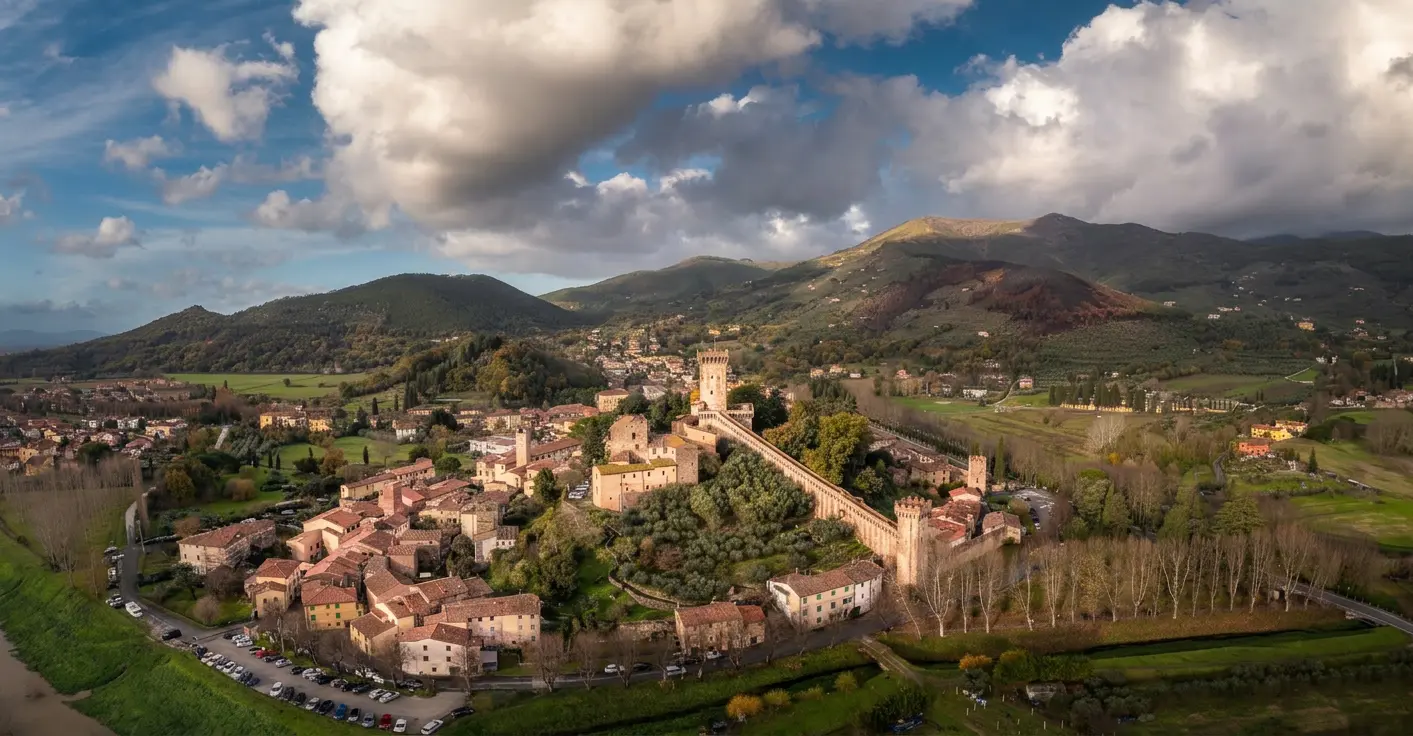
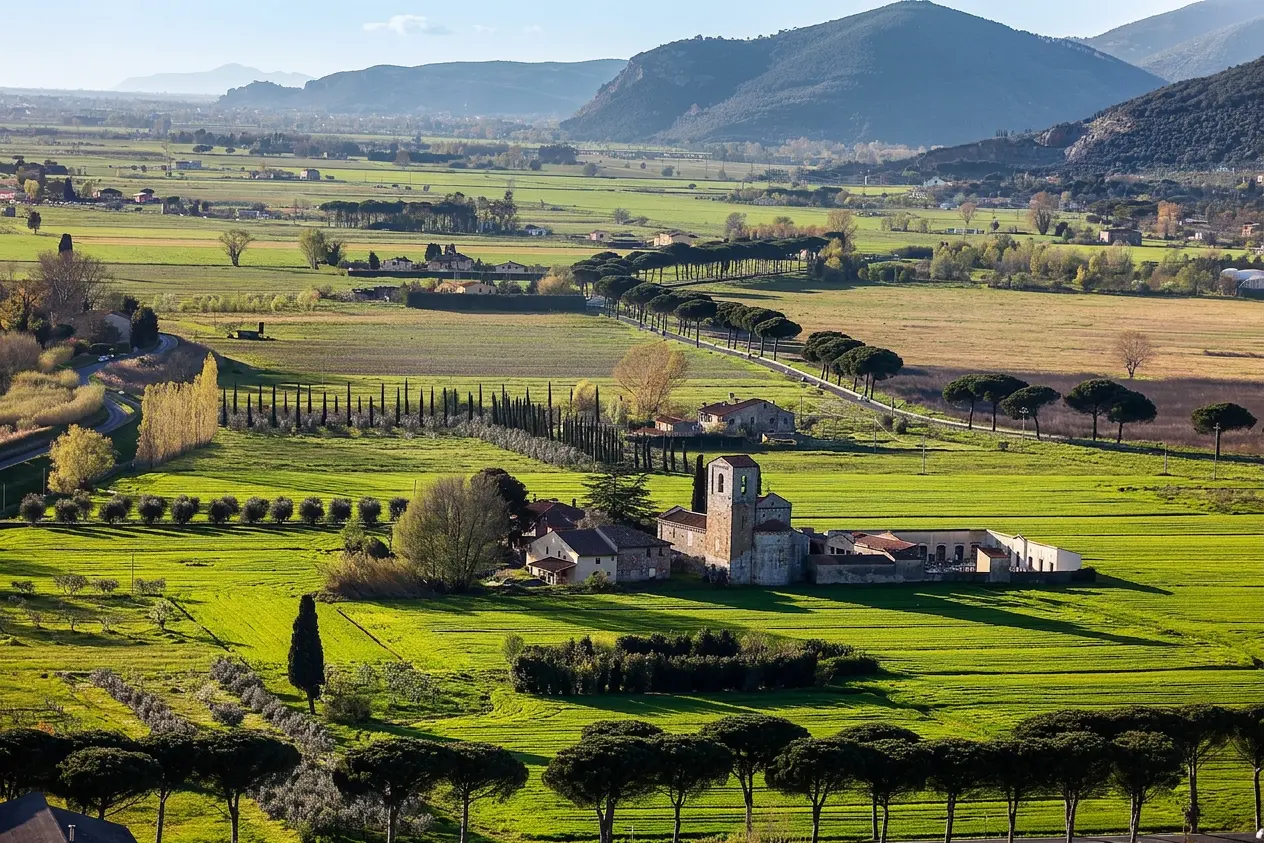
Villages on the mountain slopes of Monte Pisano saw large scale extraction, processing, and transportation, while the Arno River linked upland production to regional markets and building sites.
Within this system, aristocratic patrons such as the noble families of Obertenghi, Aldobrandeschi and Gherardeschi and skilled craft lineages like the ancestors of Tarajmeh together transformed geological resources into enduring monuments of faith, power, and community.
In Tuscany, the Tarajmeh ancestors were engaged in the construction of fortresses, bridges and monasteries, while also participating in the extraction, processing and trade of stone and other natural resources. Their activities extended from quarrying raw materials to manufacturing building components and supplying materials for major construction projects commissioned by both religious institutions and noble families.
This tradition is reflected in the history of the Rocca della Verruca, a fortress situated on a prominent peak of the Pisan Mountains overlooking the mouth of the River Arno. Closely associated with the nearby Monastery of San Michele, founded in 996, the site originally belonged to the powerful Aldobrandeschi family, one of the most influential noble dynasties in medieval Tuscany. The fortress later became an important defensive stronghold of Pisa and remained under Pisan control until the fifteenth century.
The construction of the fortress relied heavily on locally sourced materials, including the red coloured conglomerate stone, quartzite, phyllite, clay and limestone, all obtained from the surrounding landscape. According to Tarajmeh family history, their ancestors quarried stone and clay, including a distinctive red coloured stone found in the region. They produced bricks from local clays and manufactured lime from nearby carbonate rock deposits.
Skilled craftsmen within the family also shaped architectural elements such as dressed stone blocks, corner stones, thresholds and brick components used in churches, monasteries, fortifications and high status rural buildings. Their work combined resource extraction, manufacturing and trade, contributing to the economic and architectural development of medieval Tuscany.
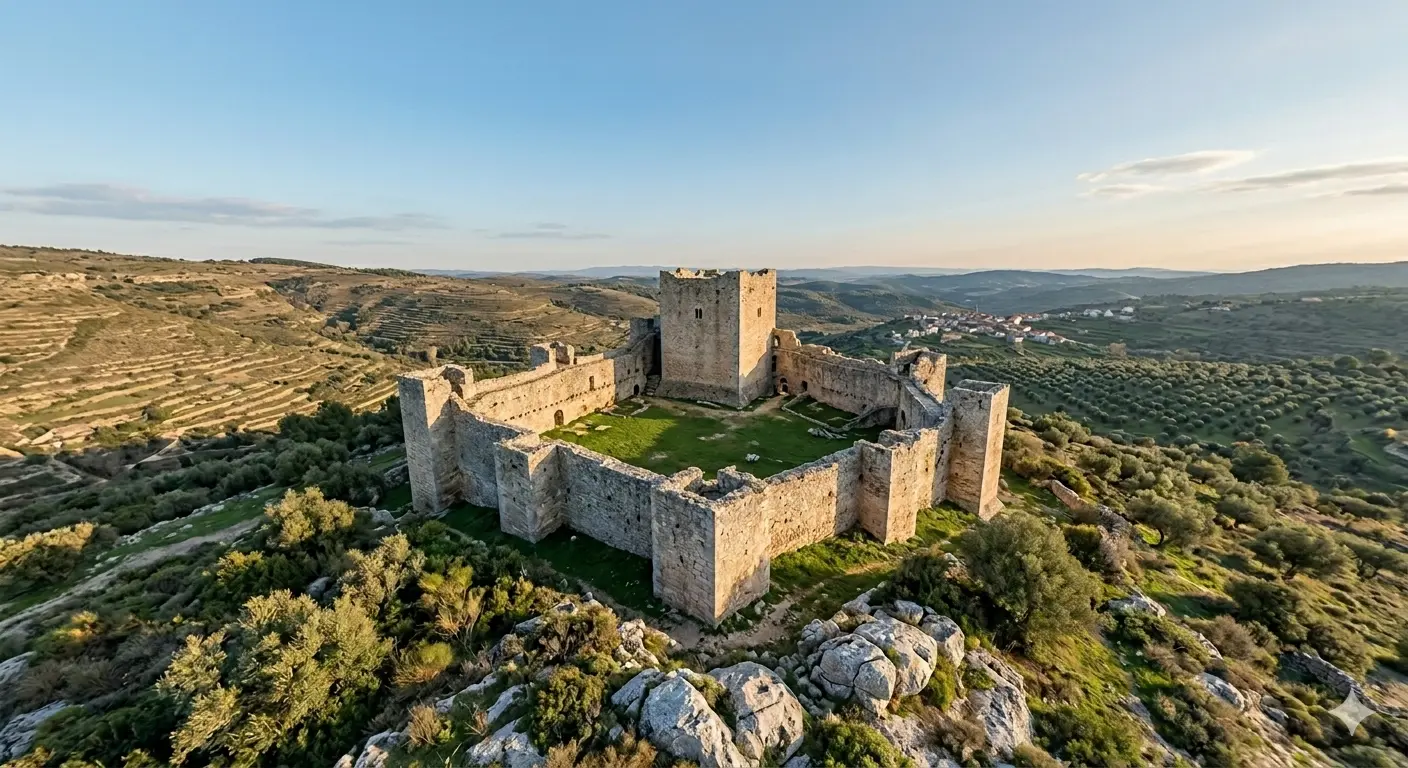
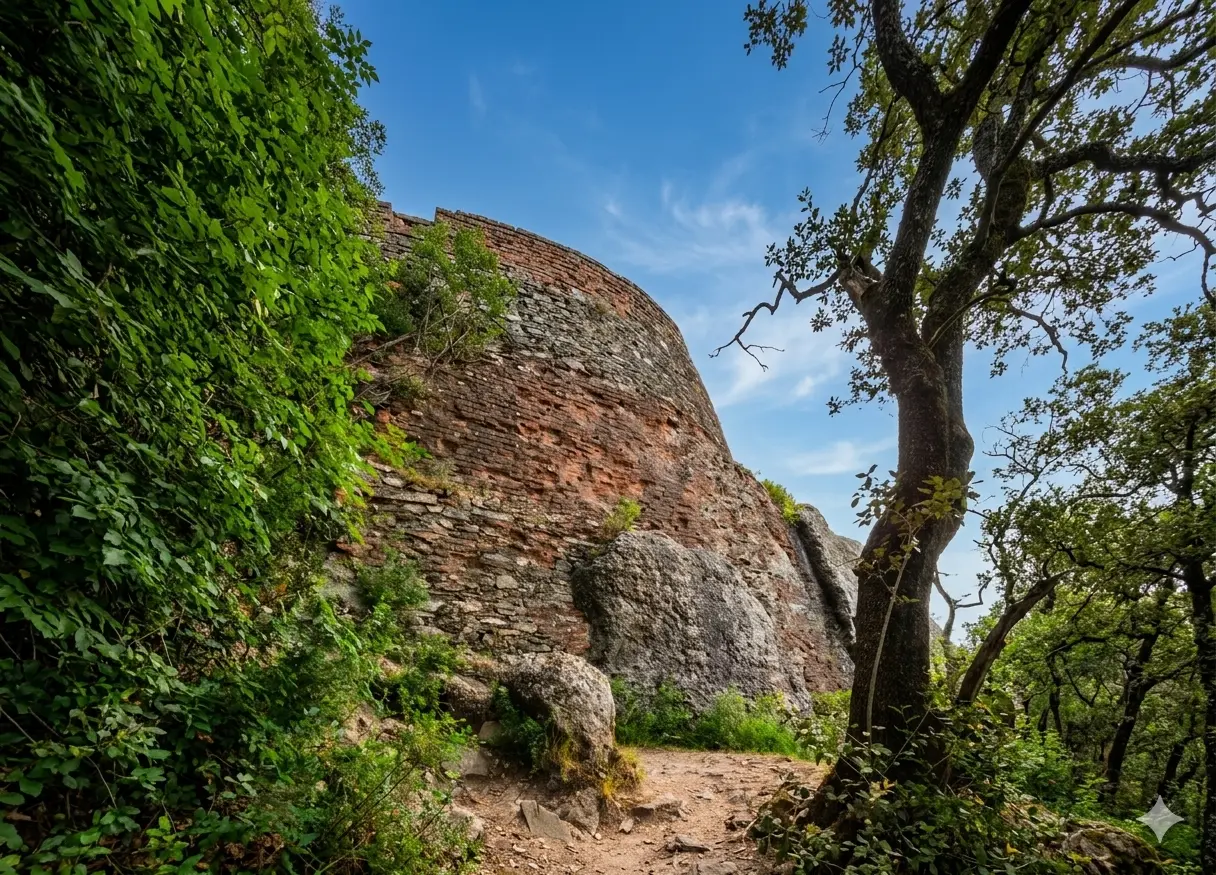
The Tarajmeh ancestors’ mastery of stone and clay transformed the landscape of Tuscany, leaving their mark on structures that would endure for centuries.

Images of Quarried Minerals. Right: Marcasite. Left: Azurite
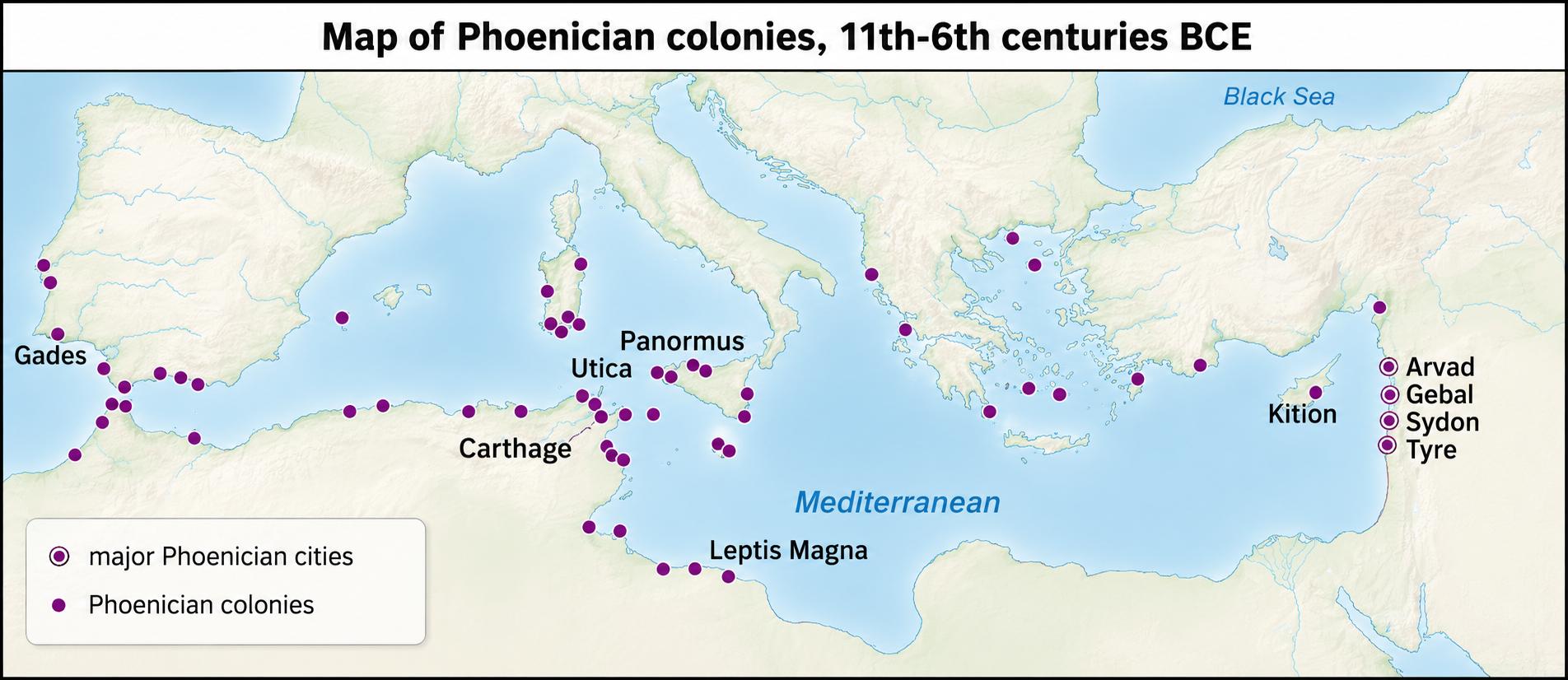
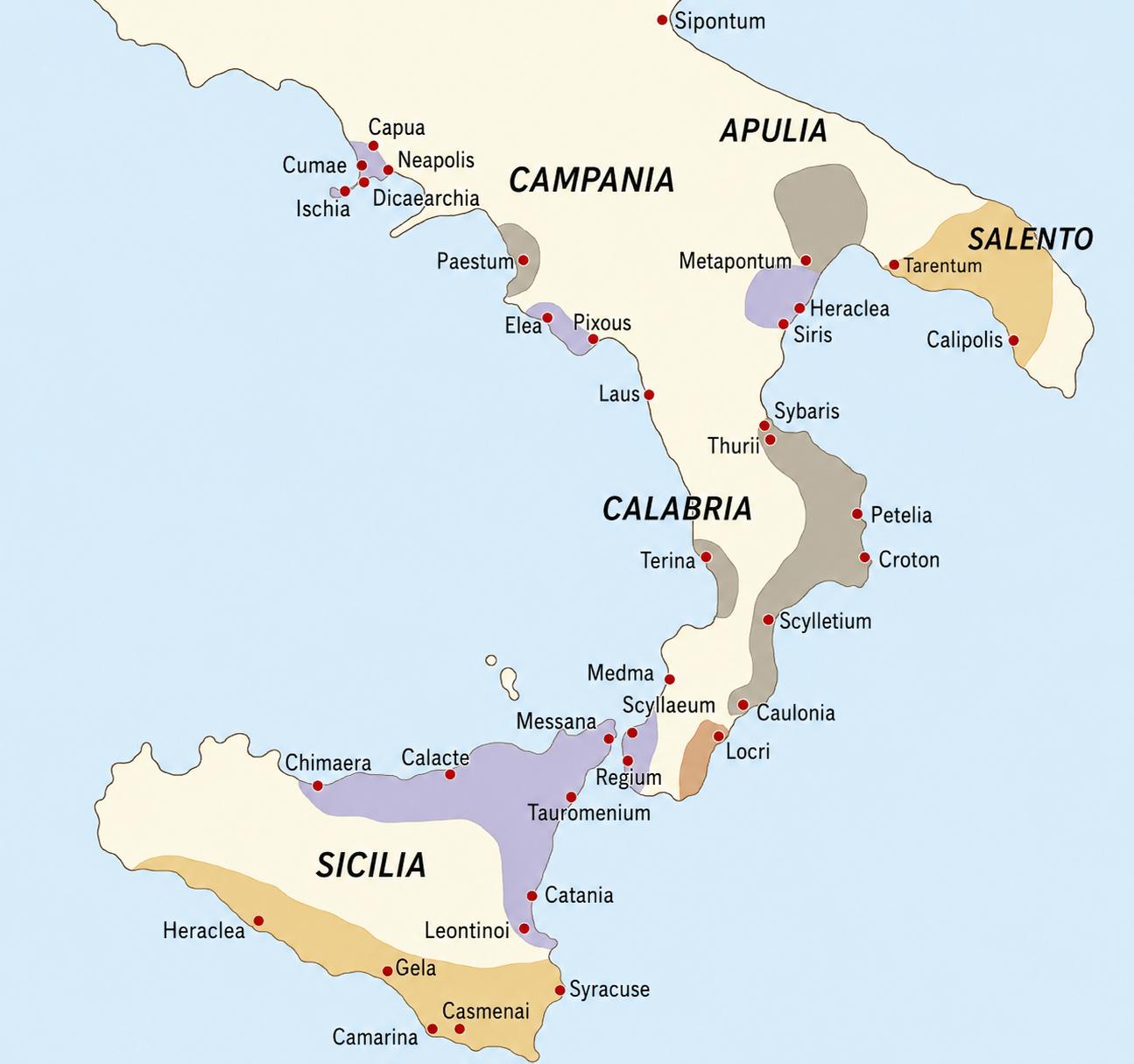
In antiquity, the seafaring ancestors of the Greeks and Phoenicians established extensive maritime trade networks across the Mediterranean. While Phoenician merchants founded settlements in Sicily, Sardinia, and the western Mediterranean, Greek settlers established the colonies of Magna Graecia in southern Italy, including cities like Croton and Tarentum. Over centuries, these colonists assimilated with neighbouring Etruscans, Celts, and Italic civilizations, fostering deep cultural and commercial connections that later linked southern Italian ports to prominent eastern Mediterranean hubs like Alexandria, Jaffa, Acre, Tyre, Jerusalem, Latakia and Antioch as well as with Byzantine territories, in particular Constantinople, including Mount Athos in Greece.
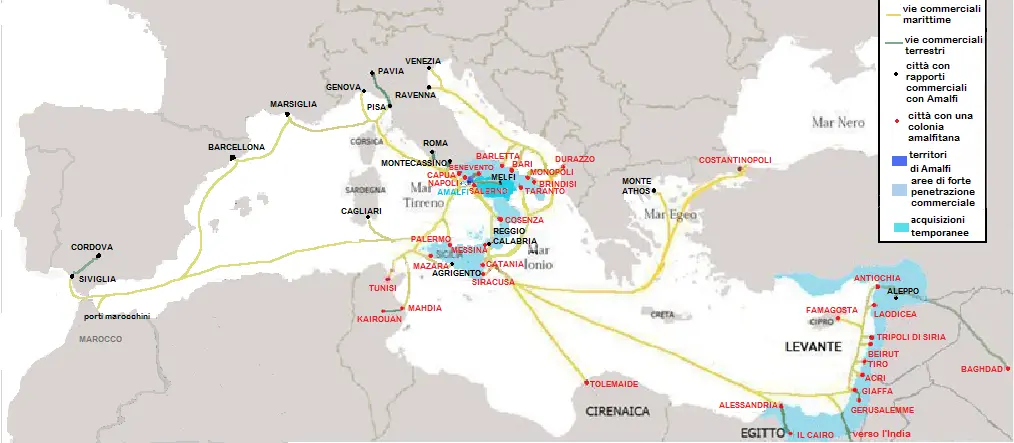
By the 10th and 11th centuries, these networks evolved as Italian merchants secured lucrative trading privileges from major regional powers. Amalfitan traders, later joined by merchants from Bari, Salerno, Pisa, and other Tuscan cities, capitalized on special concessions granted by both the Fatimid Caliphate and the Byzantine Empire. Venice secured similar high-value privileges from these empires, further strengthening the commercial bond between Italy and the Levant. Concurrently, multicultural traders from 10th-century Sicily expanded their reach across the sea into Tunisia, reinforcing a vibrant era of trans-Mediterranean commerce.
Research revealed that finally, in the early 11th century, the journey for some of clan members took them to South of Italy, and settled in an area close to Benevento, in the county of Avellino (in the region of Campania) and Venosa (in the region of Basilicata) as confirmed by DNA results. They located themselves there because it was a cross- road to trade routes to Southeastern ports of Bari and Brindisi, and southwestern ports of Amalfi, Gaeta and Salerno.
The ancestors of Tarajmeh in Tuscany lived in towns near the Roman and Francigena routes used for trade with Europe and Southern Italy and pilgrims to travel to Rome. Some of the family members who moved to South of Italy also located themselves in towns close to the southern Italian Roman and Francigena routes, in particular southern Italian ports which allowed them to be located in a strategic location for connection to Mediterranean trade and commerce networks.
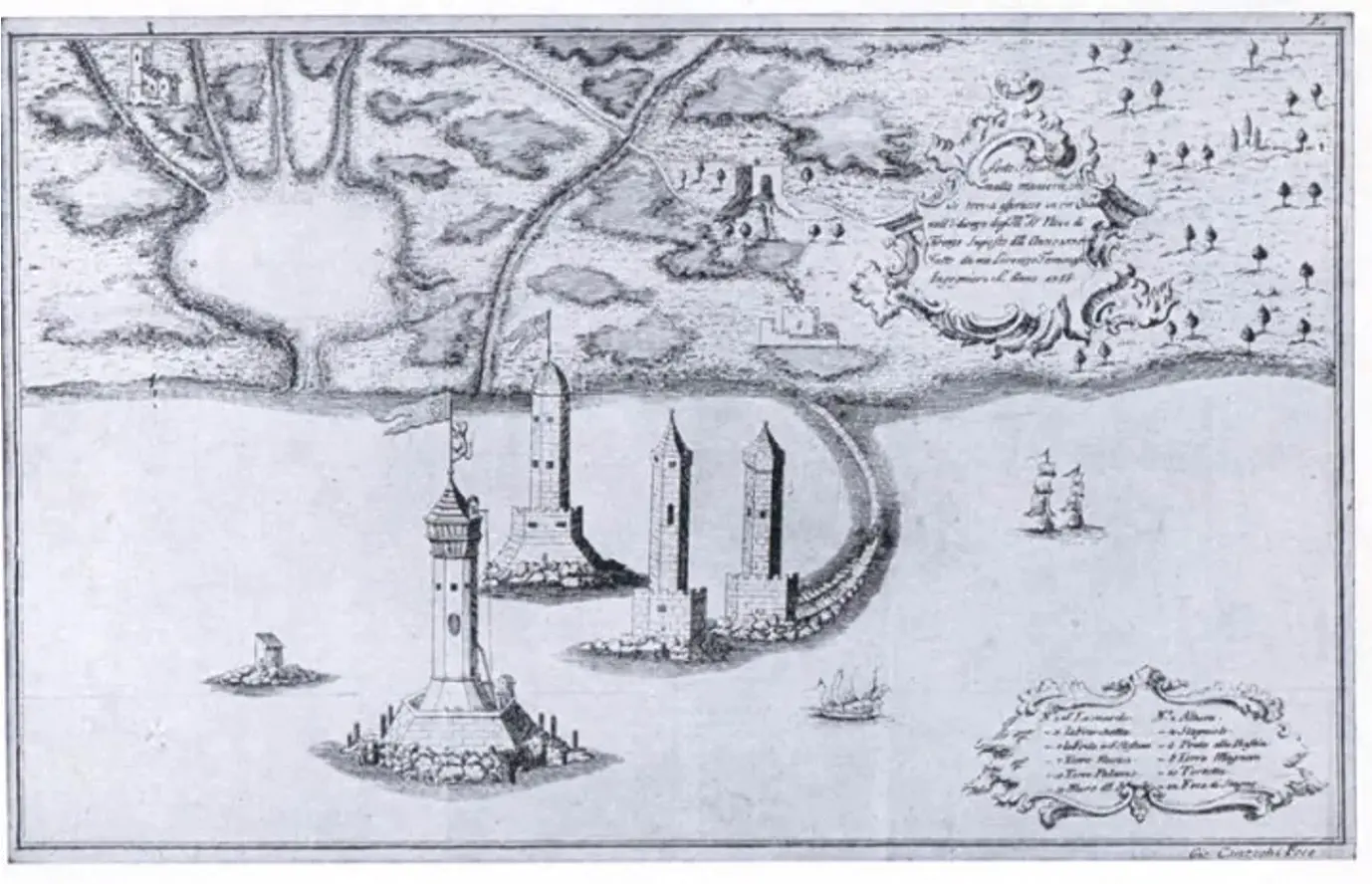
In the first half of the eleventh century, Pisa was heavily occupied with defending Sardinia from Muslim incursions. Between 1015 and 1016, Mujāhid alʿĀmirī, ruler of Dénia in southern Spain and the Balearic Islands, attempted to seize control of the island. A joint fleet from the maritime republics of Pisa and Genoa intervened, defeating Mujāhid and preserving Sardinia’s local kingdoms, known as the Judicates. With Pisan naval resources stretched by these conflicts, some of the family members of Tarajmeh ancestors found themselves unable to rely on Pisan ships for their own trading ventures.
The zenith of Amalfi’s historical importance unfolded over a remarkably brief period of less than two centuries, yet during this time the city rose to become one of the most influential commercial and maritime powers in the Mediterranean world. Perched dramatically along the rugged coastline of southern Italy, Amalfi transformed from a modest coastal settlement into a thriving republic whose ships dominated trade routes across the Tyrrhenian Sea and beyond. Its strategic location, combined with the skill and ambition of its sailors and merchants, allowed the city to flourish as a gateway between the Christian West and the wealthy markets of the East.
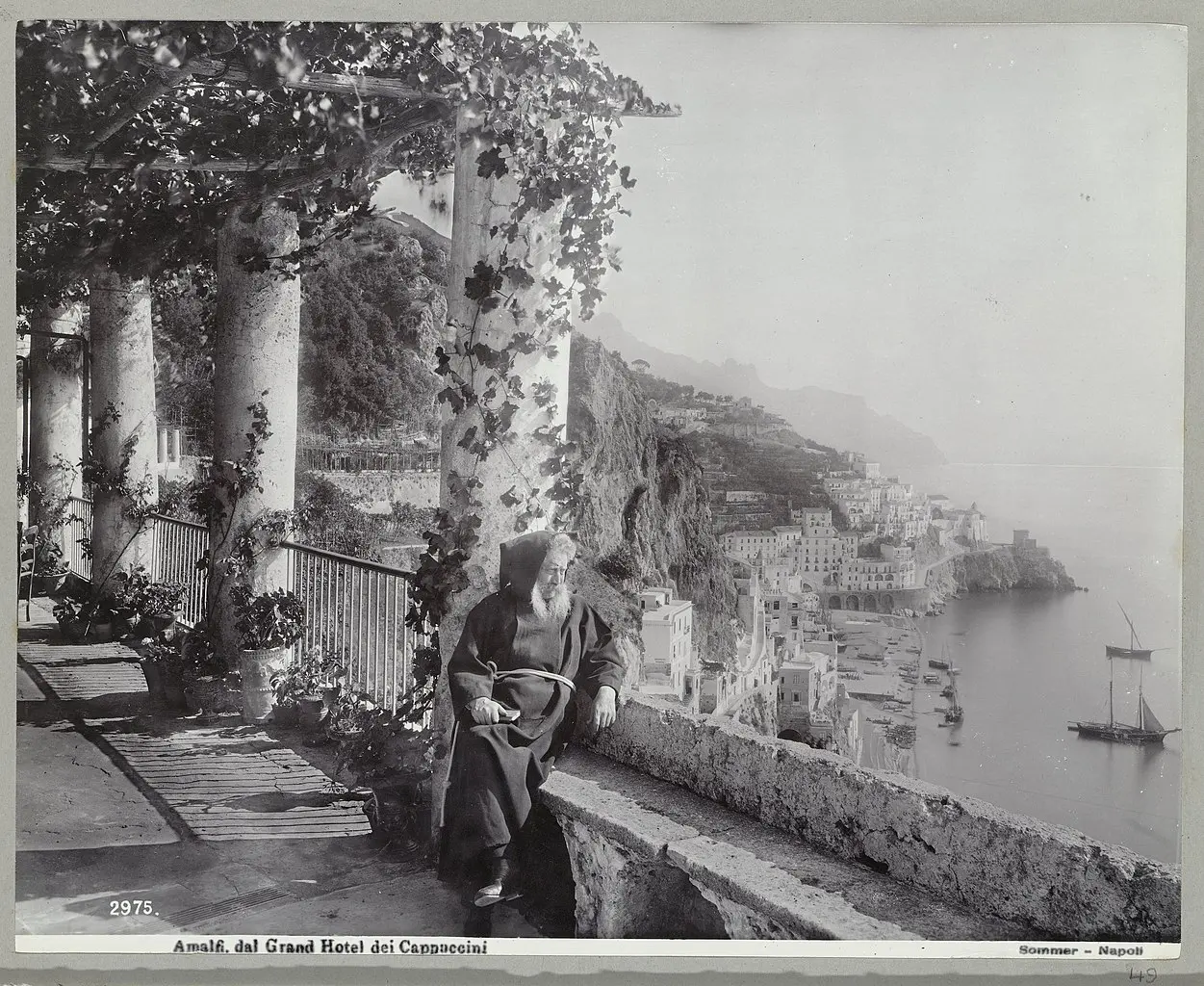
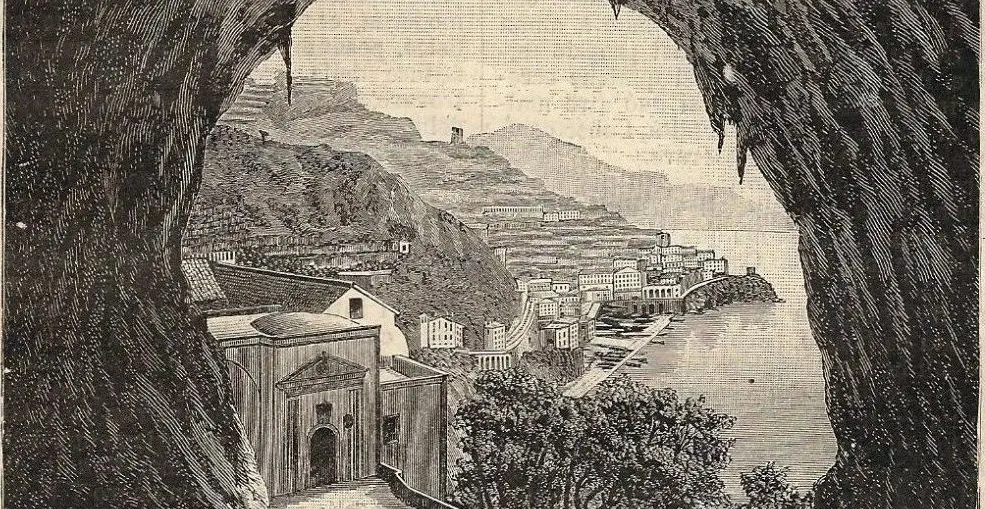
By the late tenth century, Amalfi had earned an international reputation for its prosperity and sophistication. The Arab traveller Ibn Hawqal, writing in 977, described it as a ‘prosperous, noble, and illustrious city’, a testament to the wealth and prestige it had accumulated. Far from being an isolated coastal town, Amalfi was a vibrant cosmopolitan centre where languages, cultures, and ideas mingled. Merchants from North Africa, the Byzantine Empire, the Levant, and various Italian ports crowded its harbours, bringing with them exotic goods, new technologies, and valuable knowledge. Its bustling waterfront became a meeting place for traders, navigators, diplomats, and adventurers from across the known world.
The Duchy established colonies, trading posts, and diplomatic missions in key Mediterranean centres such as Alexandria, Tunis, and Byzantium, Palestine, Lebanon and Syria, creating a vast network that facilitated commerce and strengthened political ties. Through these connections, Amalfi imported luxury goods such as silk, spices, precious metals, and fine textiles, while exporting products and services that contributed to its growing wealth. The city’s merchants were celebrated for their entrepreneurial spirit and their ability to navigate the complex commercial landscape of the medieval Mediterranean.
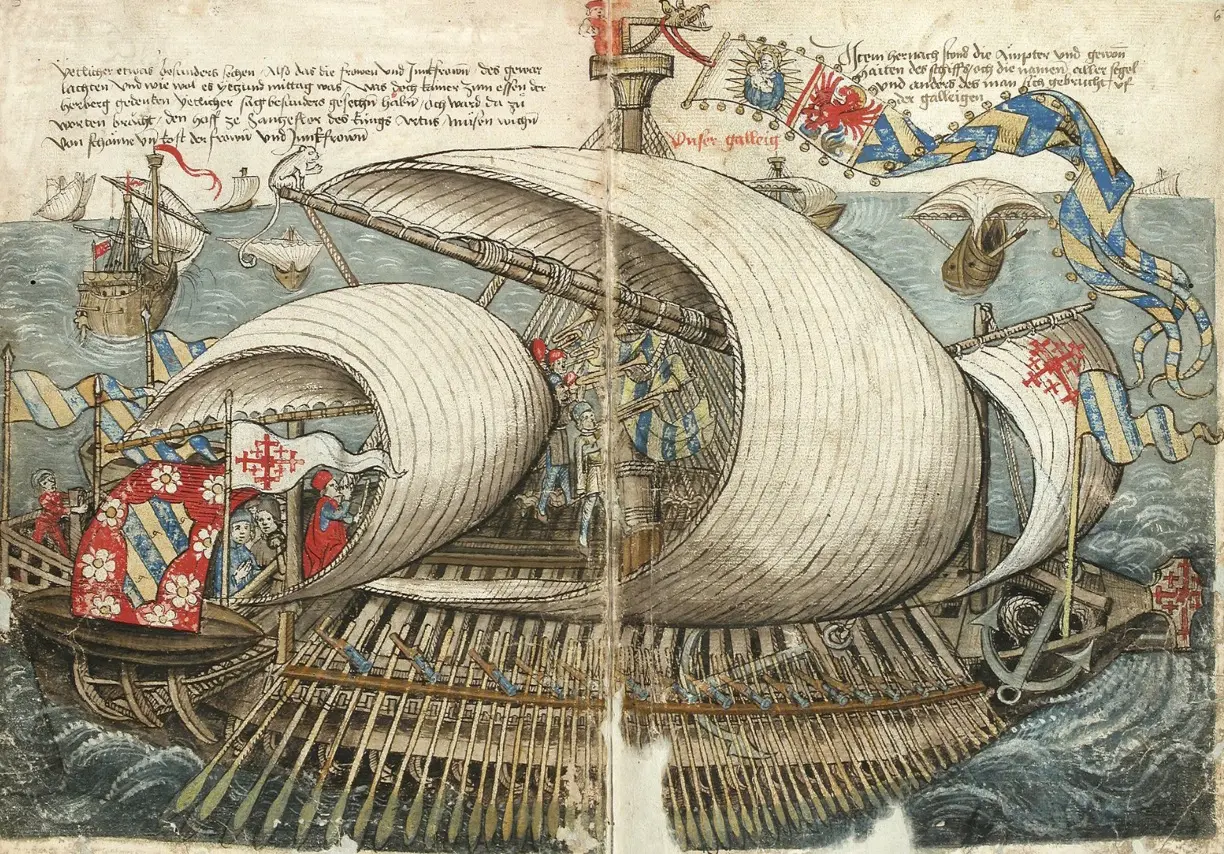
The success of the Amalfitans rested not only on their commercial ties with the Fatimids and Byzantines but also on the strong family networks that linked them to southern Italy. Drawing on resources from Campania, Puglia, Basilicata, and Calabria, they traded in timber, agricultural produce, and semi-precious stones, creating a thriving Mediterranean exchange. Among the families central to this network were the Tarajmeh ancestors, whose cooperation with the Amalfitans evolved from economic partnership into lasting alliance. The Tarajmeh ancestors managed to strengthen their commercial position through intermarriage with the Amalfitans and other prominent families from Salerno and Bari, these bonds extended beyond commerce, weaving together kinship and trade. What began in southern Italy was carried across the Mediterranean, where, after 1050, these relationships continued in Palestine, preserving shared identities and strengthening connections that endured across generations. Their trade network expanded and incorporated local Palestinian elite families, and they have strengthened their foundation by marrying ladies from these families.