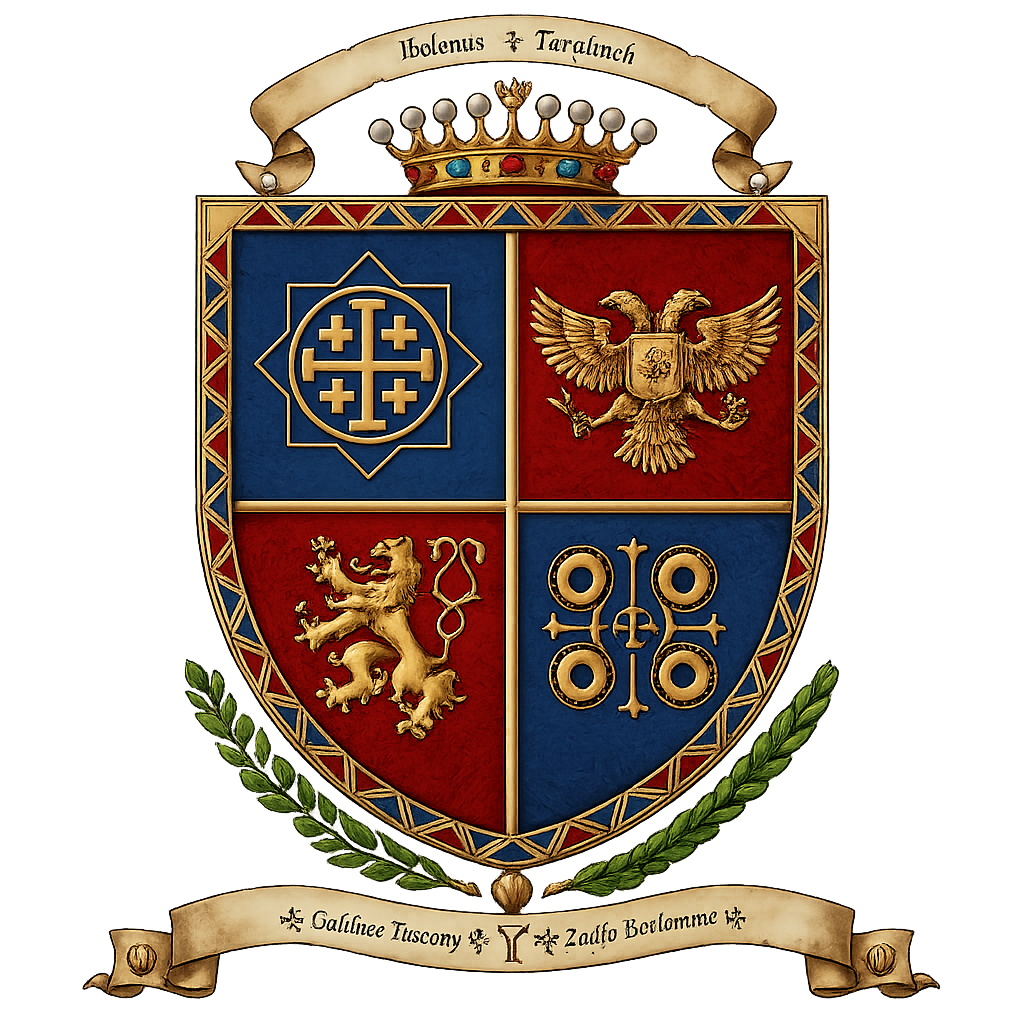
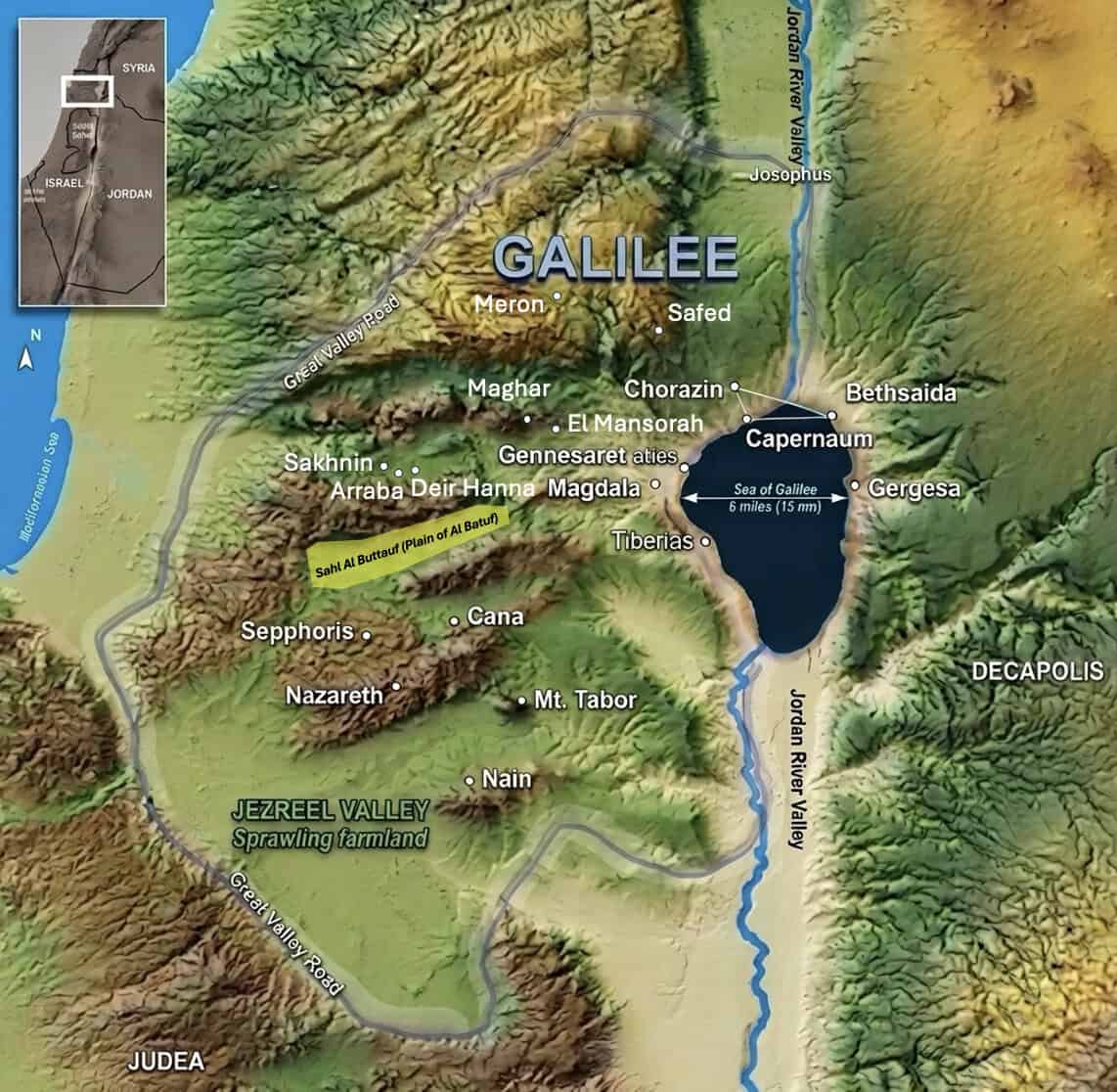
There are seven clans in Bethlehem and the Tarajmeh are one of these clans. The Tarajmeh Clan consists of 27 families living now in Palestine, Middle East, Europe, Latin America, USA, Canada, Australia, and among other countries.
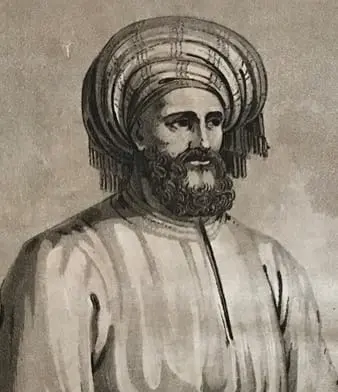
The name Tarajmeh was inherited in Bethlehem after the mid 14th Century, and derives from the Arabic word meaning “translators”. Historically, the family were also known as Turjmani, the Arabic equivalent of the Dragomans, who served as official interpreters and intermediaries in the late medieval and early modern Holy Land.
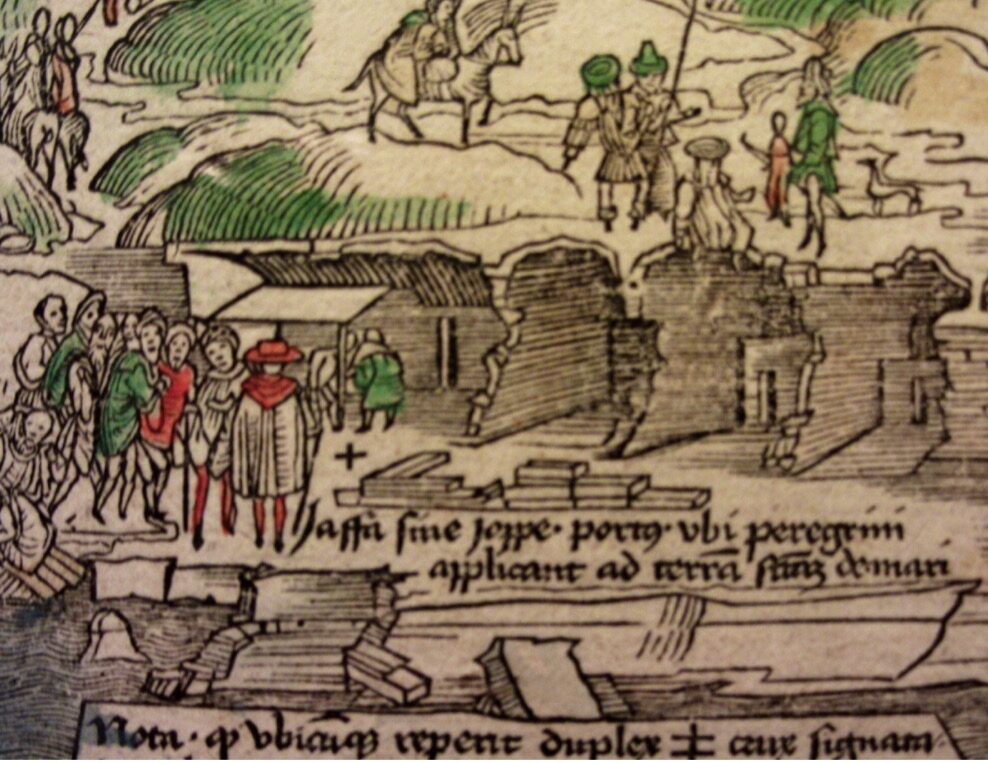
The members of the clan were known for their fluency in multiple languages, enabling them to serve as guides for pilgrims, guardians of holy places, and diplomatic intermediaries between the Catholic Church and local authorities. But if we dig deeper into clan history, our story is of great battles, trade, pilgrimage and close connections to royal and noble houses in Europe in particular Italy, Cyprus, Armenia (Cilicia) and Palestine.
For centuries, descendants of the Tarajmeh have asked a single question: who were our ancestors, and how did they come to Bethlehem? The answers are scattered across oral traditions, DNA research, Franciscan records, Catholic Church archives, and the wider history of Italy 7th to 11th century and Eastern Mediterranean 11th to 14th century.