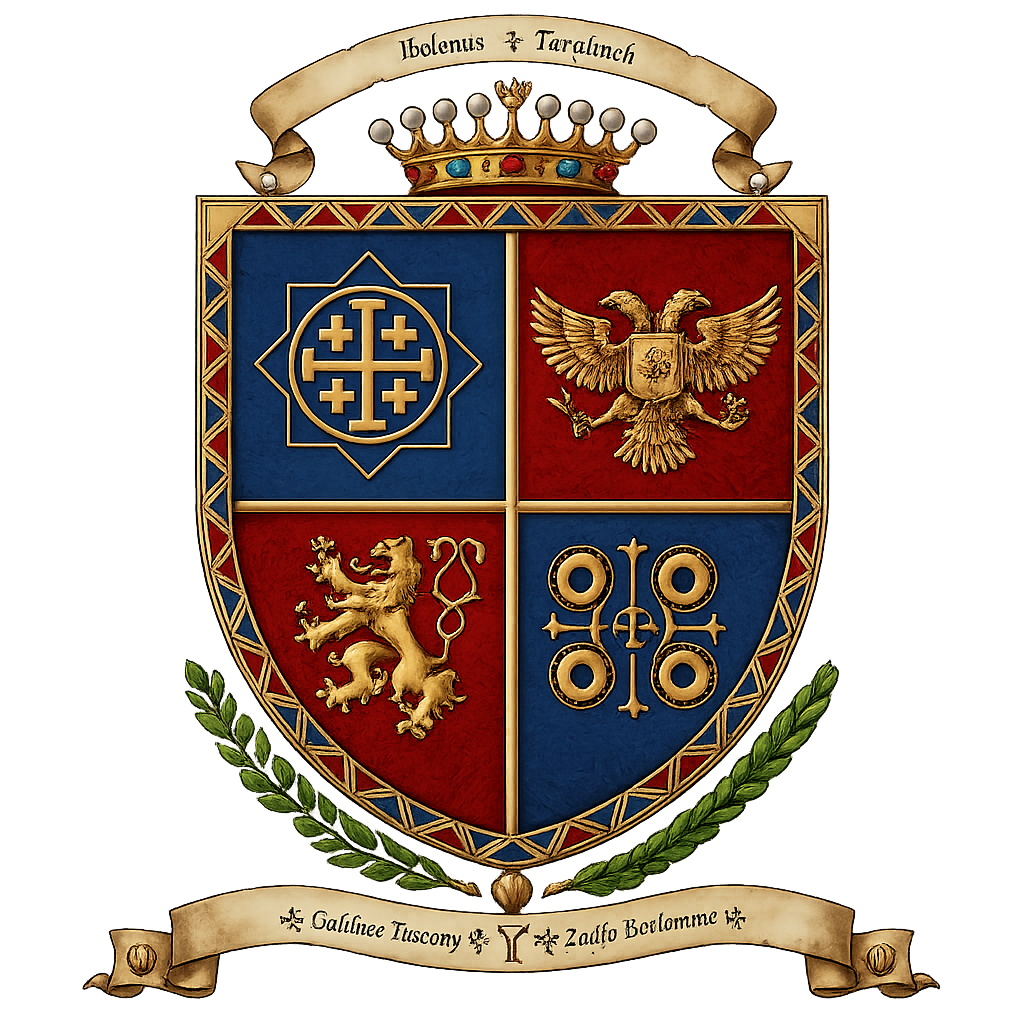

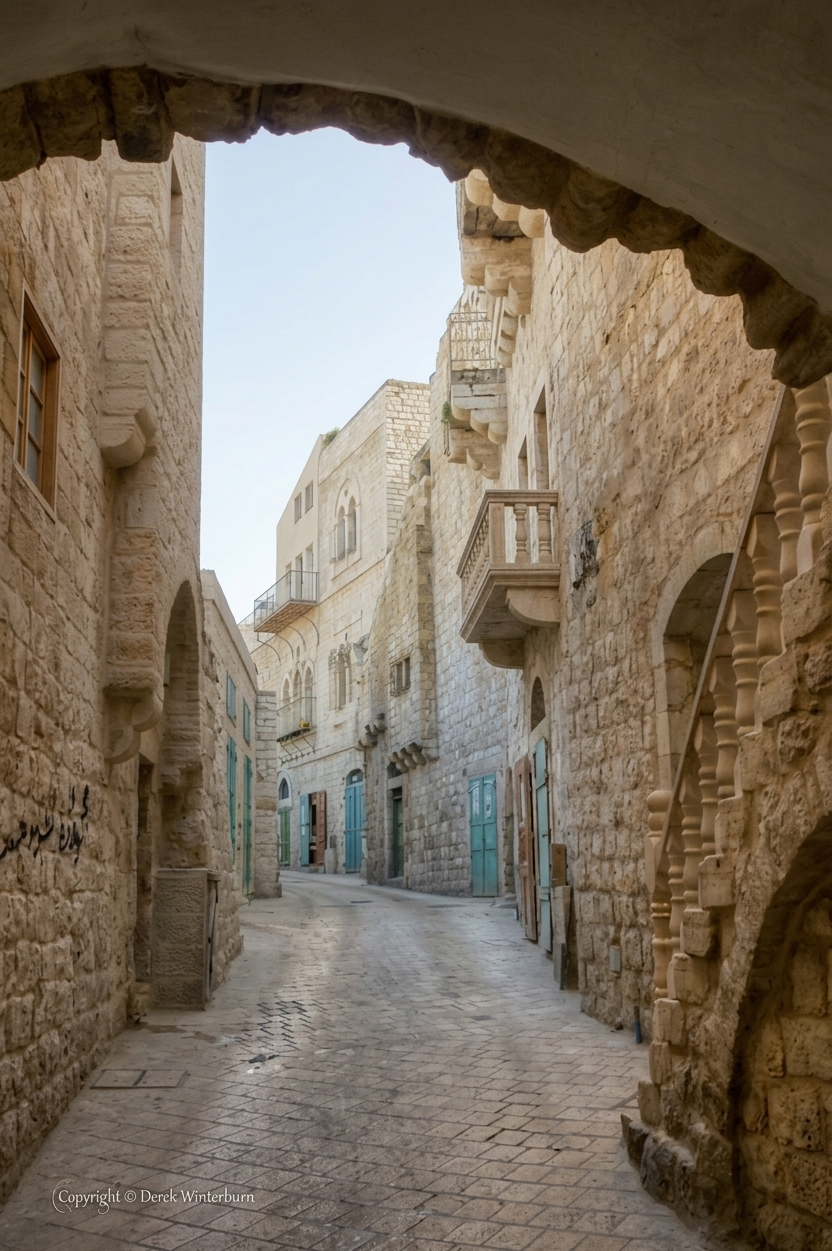
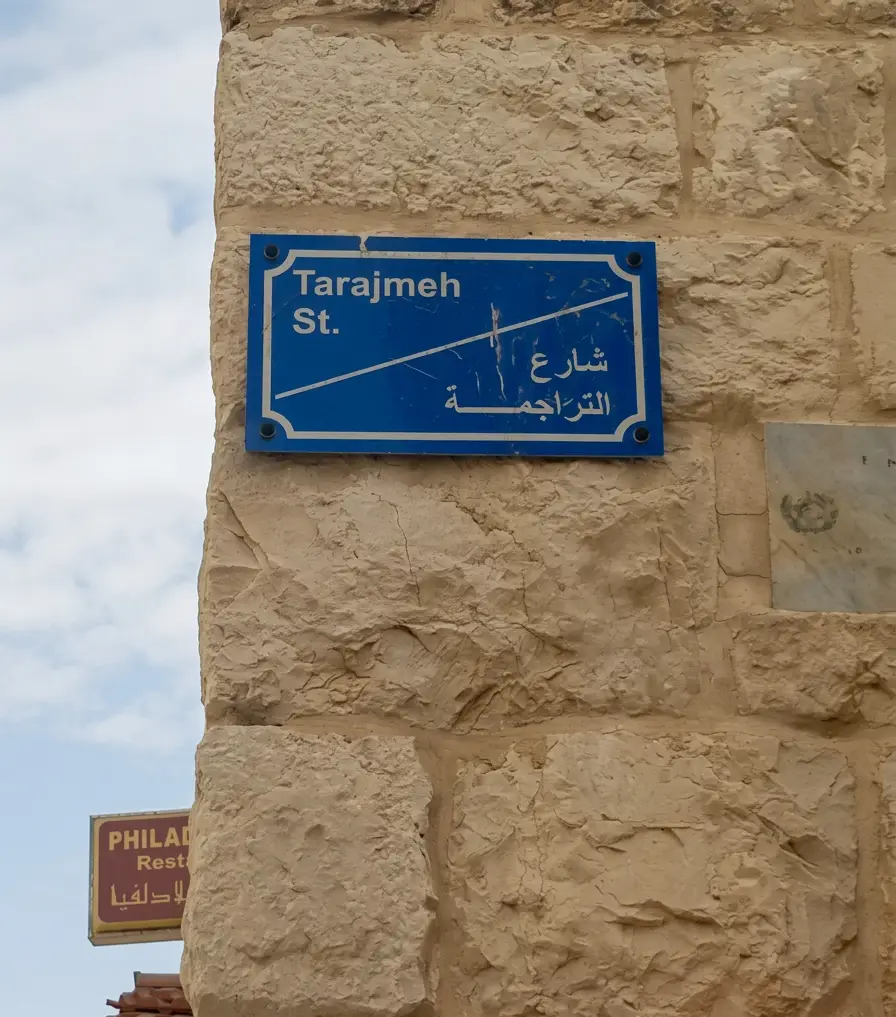
On Star Street in Bethlehem’s old city, historically the main artery leading pilgrims to the Church of the Nativity, stands a living testament to one of the town’s oldest communities: the Tarajmeh clan.
Bethlehem
Recognised as one of Bethlehem’s seven historic clans, the Tarajmeh are a Palestinian Catholic family whose story bridges the crusader world, the rise of the Franciscans, and the survival of Christianity in the Holy Land.
Through the oral history passed down by older generations of the Tarajmeh clan, a consistent and central tradition emerges: In the mid-fourteenth century, two brothers: Fares-Talamay (Knight Talamay) the younger, and his elder brother Fares-Yacub (Knight Jacob), moved with the Franciscans to Bethlehem to help protect the Church of the Nativity, married Betlehemite ladies, which resulted in the establishment of the clan, known later on as the ‘ Tarajmeh’. At that time, Bethlehem had a population of approximately 350 people and was inhabited mainly by two Orthodox Christian clans: Al Farahiyah and Al Najajreh.
According to the family oral history, the brothers’ heritage combined Palestinian and Italian ancestry on the paternal side, while on the maternal side was of Italian, Ghassanid, Greek, Flemish, Frankish, and Armenian descent. DNA testing confirmed the principal elements of the genealogy.
The elder brother, Fares-Yacub, had four sons: Khalil (Charles), Jaber (Raphael), Mubarak (Benedetto), and Mikha’il (Michael). The following families are descended from Fares-Yacub: Abu Khalil, Mansour-Abu Khalil, Abu Jaber, Mikel, Mikel-Madalena, Mikel-Tawil, Mikel-Sara, Mubarak-Sabat, Tabash, Sabat, ‘Abis, and Karmi. Their descendants became known as the “sons of the lower street”.
The younger brother, Fares-Talamay (Knight Talamay), had four sons: Dawud (David), Semaan (Simon), Elias, and Jibrail (Gabriel). Their descendants were also known as the “sons of the lower street”. The families descended from Fares-Talamay include Abu Fheileh, Dabdoub, Batarseh, Comandari, De’ek, Flefel, Jabriyeh, Semaan, Suwadi, Talamas, Dawud, Tarud, Zakharia, Zmeiri, and Rock.
These families collectively became known as the Tarajmeh (“Translators”) because of their knowledge of several languages, including Arabic, Italian, French, English and Spanish. Over time, they formed the third-largest clan in Bethlehem, alongside Al Farahiyah, Al Najajreh, Al Anatreh, Al Hreizat, Al Qawasmeh, and Al Fawagreh, and were later joined by Al Syrian (Assyrians) clans.
Family recorded history mentions they are descendants from a line of lawyers, and have had close ties with the Montfort family, with some ancestors reportedly accompanying Simon de Montfort, 6th Earl of Leicester, on a pilgrim image or journey to Jerusalem in the 13th Century.
A Bridge Between Worlds
The Tarajmeh clan’s presence in Bethlehem represents far more than a single-family settlement. Their story is intrinsically linked to the broader narrative of Christianity in the Holy Land, the role of the Franciscans as custodians of sacred sites, and the resilience of Palestinian Christian communities across centuries of political upheaval.
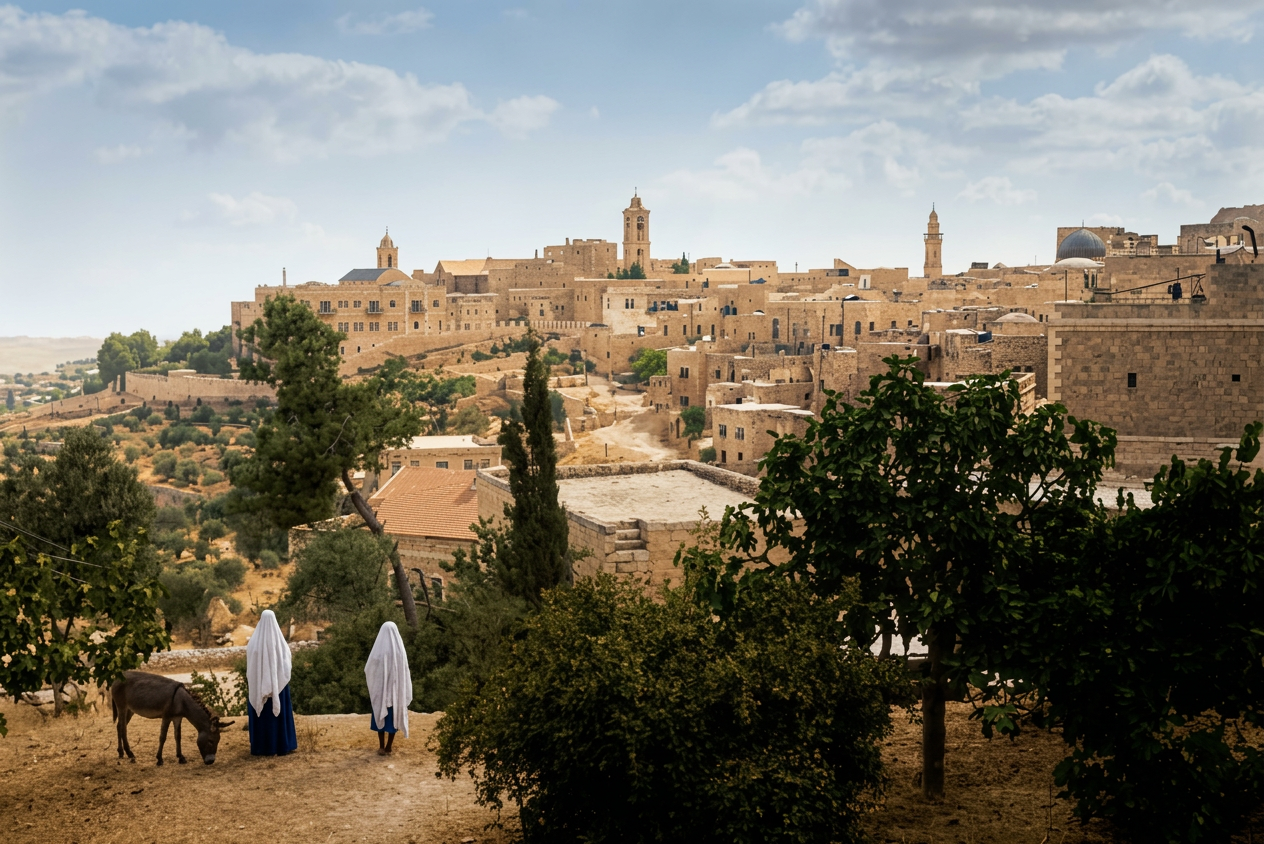
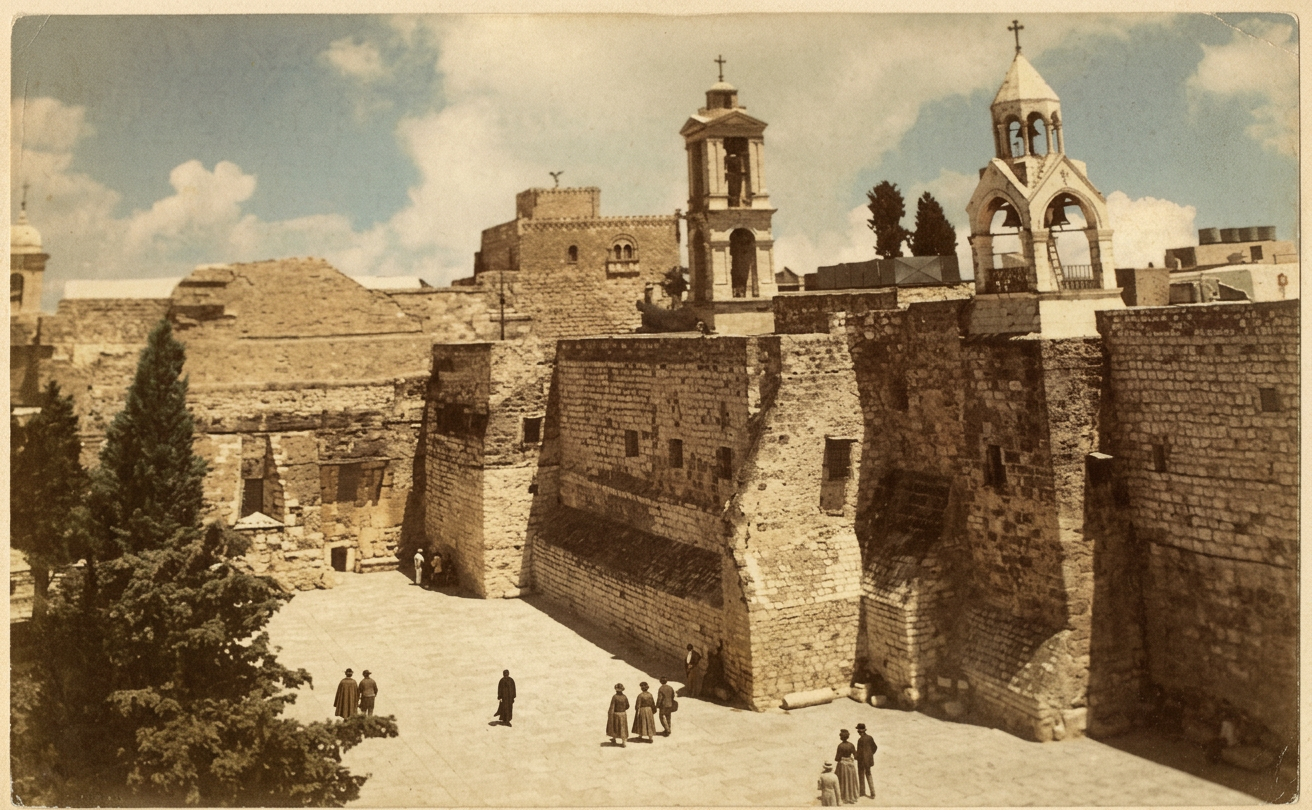
The identity of the Tarajmeh clan closely tied to the Catholic Church has remained steadfast throughout the centuries. Their story is thus inseparable from the history of the Franciscans in Bethlehem during the 14 to 19th century.
For centuries, descendants of the Tarajmeh have asked a single question: who were our ancestors, and how did they come to Bethlehem? The answer to this puzzle lies scattered across oral traditions, Franciscan and church records. The broader history of Tuscan rural infrastructure construction of fortification, bridges, ecclesiastical buildings and Italian trade.
But if we dig deeper into clan history, the story becomes one of great battles, trade, pilgrimage and close connections to royal and noble houses in Europe particularly Italy, Cyprus, and Armenia (Cilicia). The Tarajmeh clan embodies centuries of heritage, faith, and cultural continuity in one of the world’s most significant spiritual landscapes.