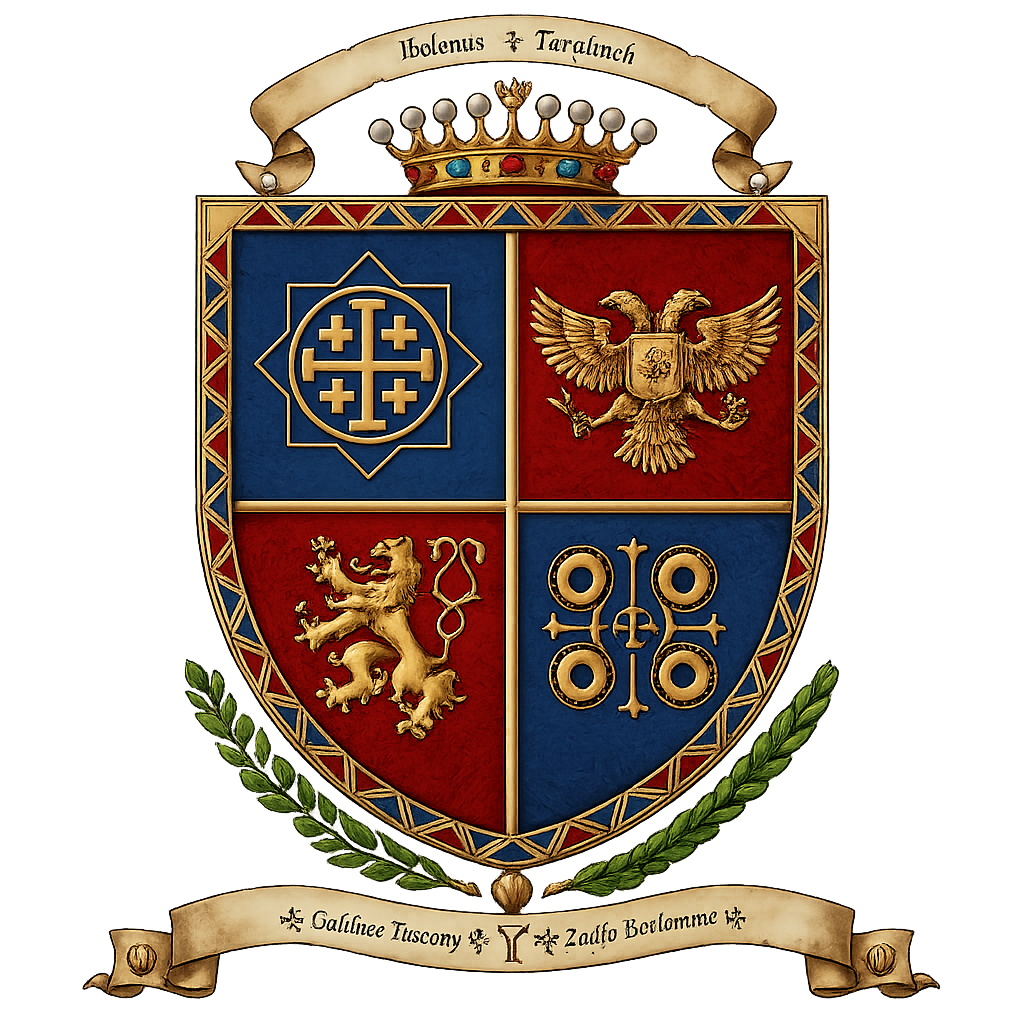

The story of the Tarajmeh clan and their ancestors is fundamentally intertwined with two of the most transformative forces of the medieval world: trade and pilgrimage. From their early involvement in Byzantine maritime expeditions to their later prominence in Mediterranean commerce, the clan embodied the spirit of merchants and guides who connected distant lands through commerce, faith, and cultural exchange.
Trade & Pilgrims
Trade and pilgrimage were not separate enterprises but deeply interconnected systems that shaped the political, economic, and spiritual landscape of the medieval Mediterranean.
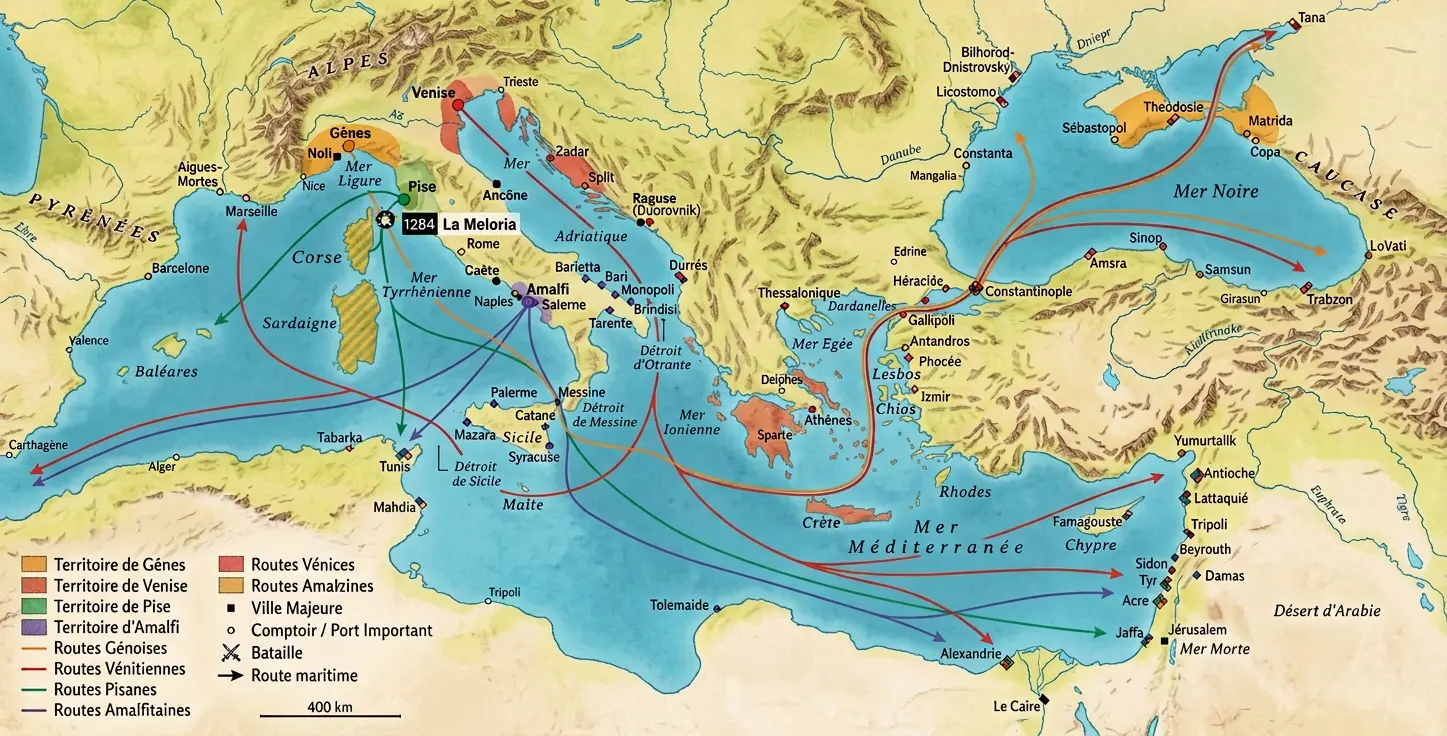
In the pre-crusade period of the 11th century, the Tarajmeh ancestors engaged directly in a vibrant trade network in the Mediterranean Sea. They allied with Amalfitan merchants, who enjoyed trade privileges under the Fatimid Caliphate, and established family ties through intermarriage with local merchant families in southern Italy, particularly in Bari, Amalfi, and Salerno.
The Merchandise of Empire
From southern Italy, they engaged in trade of valuable materials such as alabaster, semi-precious gemstones, ivory, and other luxury goods. The semi-precious stones were extracted from quarries in Italy, in particularly Tuscany, Monte Pisano, Volterra and other locations in Italy. The stone were transformed by skilled craftsmen and transported across vast distances to reach markets from Byzantium to Fatimid Egypt.
The Tarajmeh ancestors crossed the Mediterranean Sea during the Fatimid rule in mid-eleventh , eventually settling in Palestine. This journey was not merely commercial but represented a profound cultural and spiritual migration that would reshape their destiny.
The trade networks in which the Tarajmeh ancestors participated were sophisticated systems that required not only commercial acumen but also diplomatic skill, linguistic ability, and deep knowledge of local customs and regulations. These merchants served as cultural intermediaries, carrying not just goods but ideas, technologies, and religious practises across vast distances.
The Pilgrimage Networks
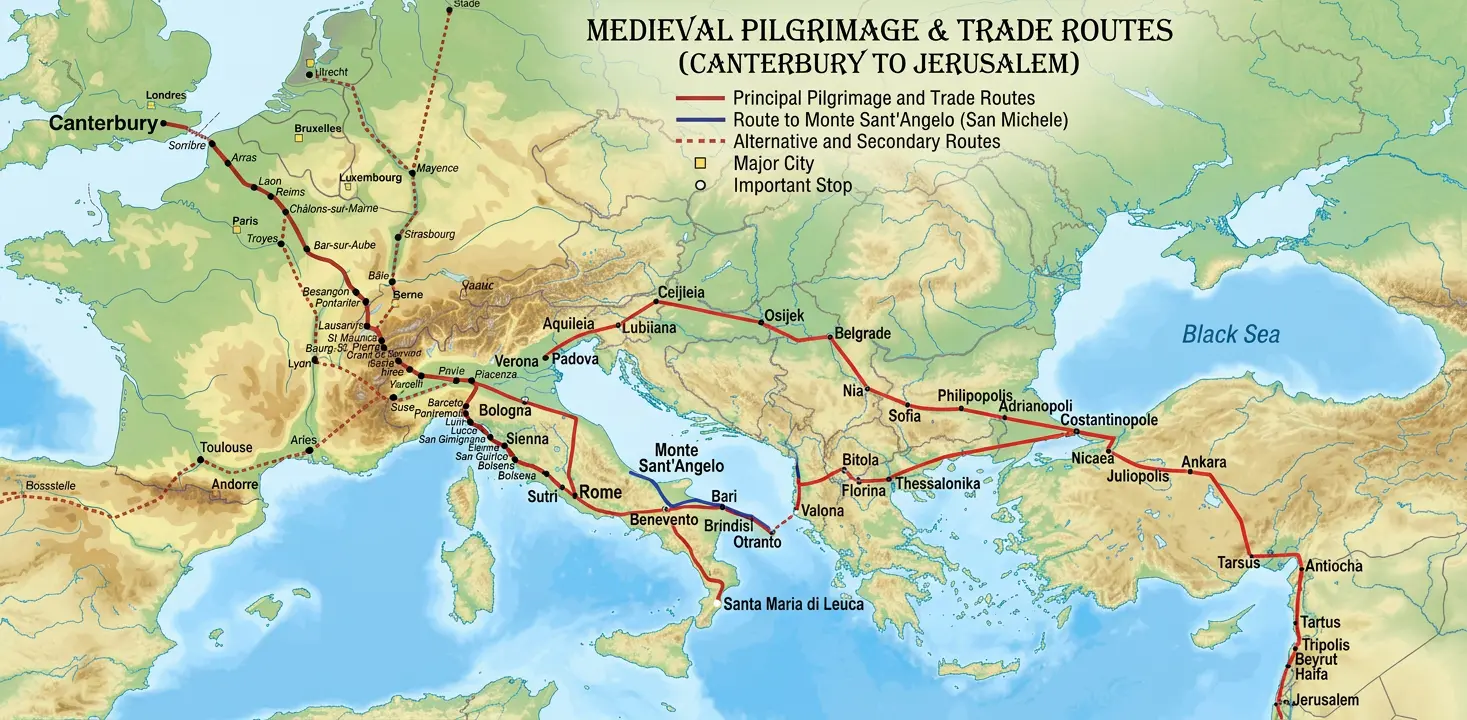
The Francigena route, connecting northern Europe to Rome and beyond represented one of the most important pilgrimage paths in medieval Christendom. The Tarajmeh ancestors strategic positioning along this route in Tuscany placed them at the intersection of spiritual devotion and economic opportunity.
Pilgrims travelling to Rome and Jerusalem required guides, provisions, and protection. The Tarajmeh ancestors provided all three, earning their livelihood while serving the spiritual needs of countless travellers.
During the medieval period, especially after the millennium, pilgrim numbers steadily increased, and with it an increase of highway robbery increased. The knights of Tau, which followed the Augustine order emerged in the village of Altopascio (near Lucca via the Francigena going south to Rome) to offer protection for pilgrims.
This experience was continued in the Holy land itself, after the occupation of Seljuks, the routes became insecure, for the pilgrims who arrived to Jaffa by sea on their way to Jerusalem.
When the clan eventually settled in Bethlehem, they continued this tradition of hospitality and guidance. They became essential guides for pilgrims visiting the Church of the Nativity, serving as translators, advisers, and protectors. Their knowledge of local customs and languages and geography made them invaluable to the Franciscans and the pilgrims themselves.
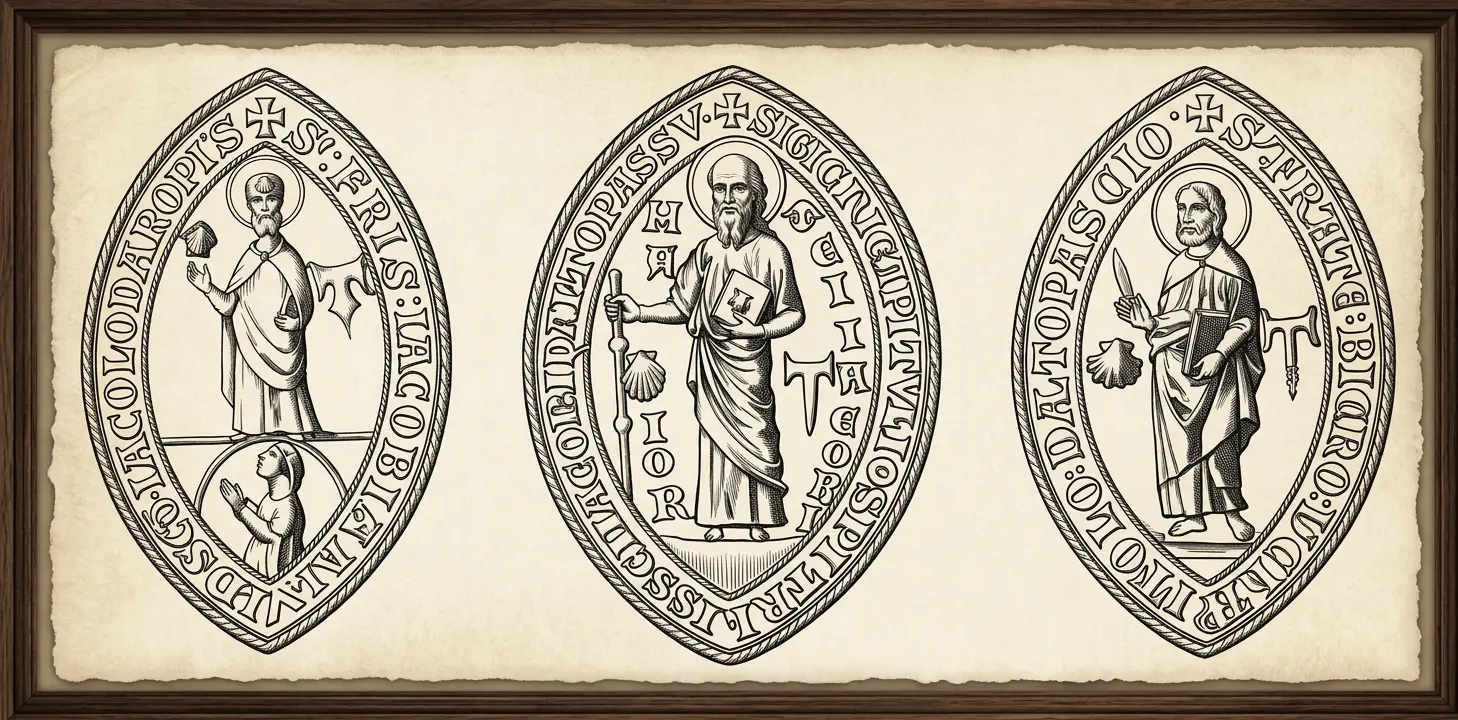
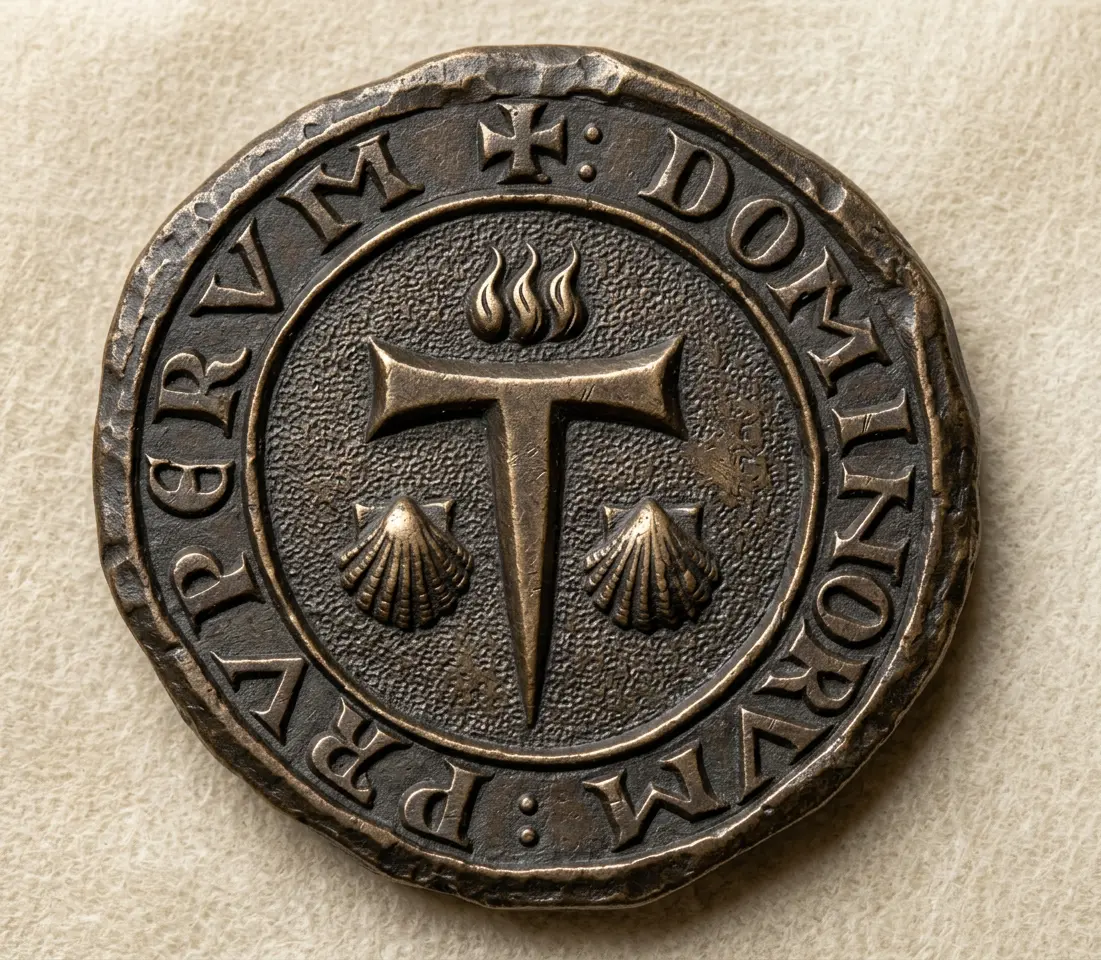
(Images modified from Knights of the Order of Tau: the predecessors of the Templars – Afrinik)
Economic Vitality and Cultural Exchange
In Bethlehem, the Tarajmeh clan’s artisan crafts by working nacre, olive wood carving, and tapestry production, created a thriving industry in Bethlehem by selling them to Christian pilgrims. These crafts were sacred objects blessed by proximity to the holiest sites of Christianity and infused with spiritual significance.
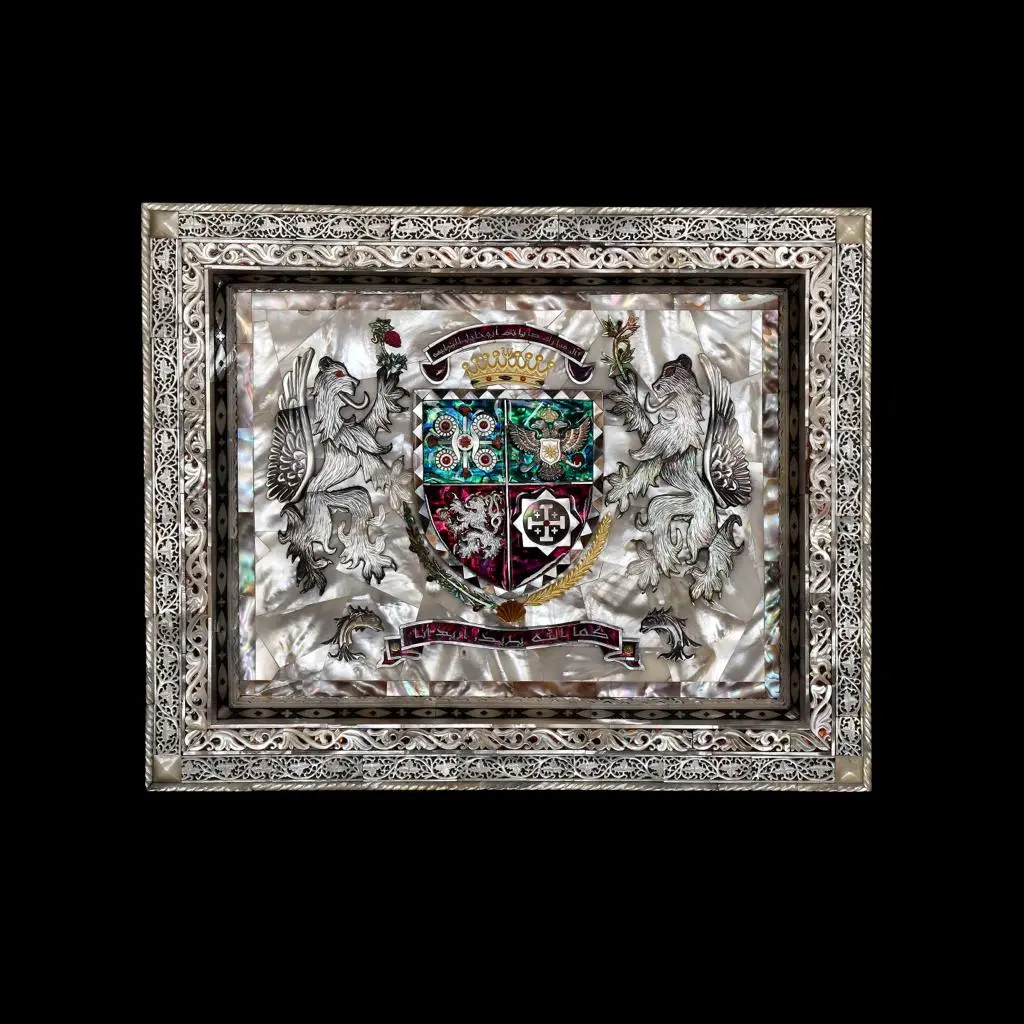
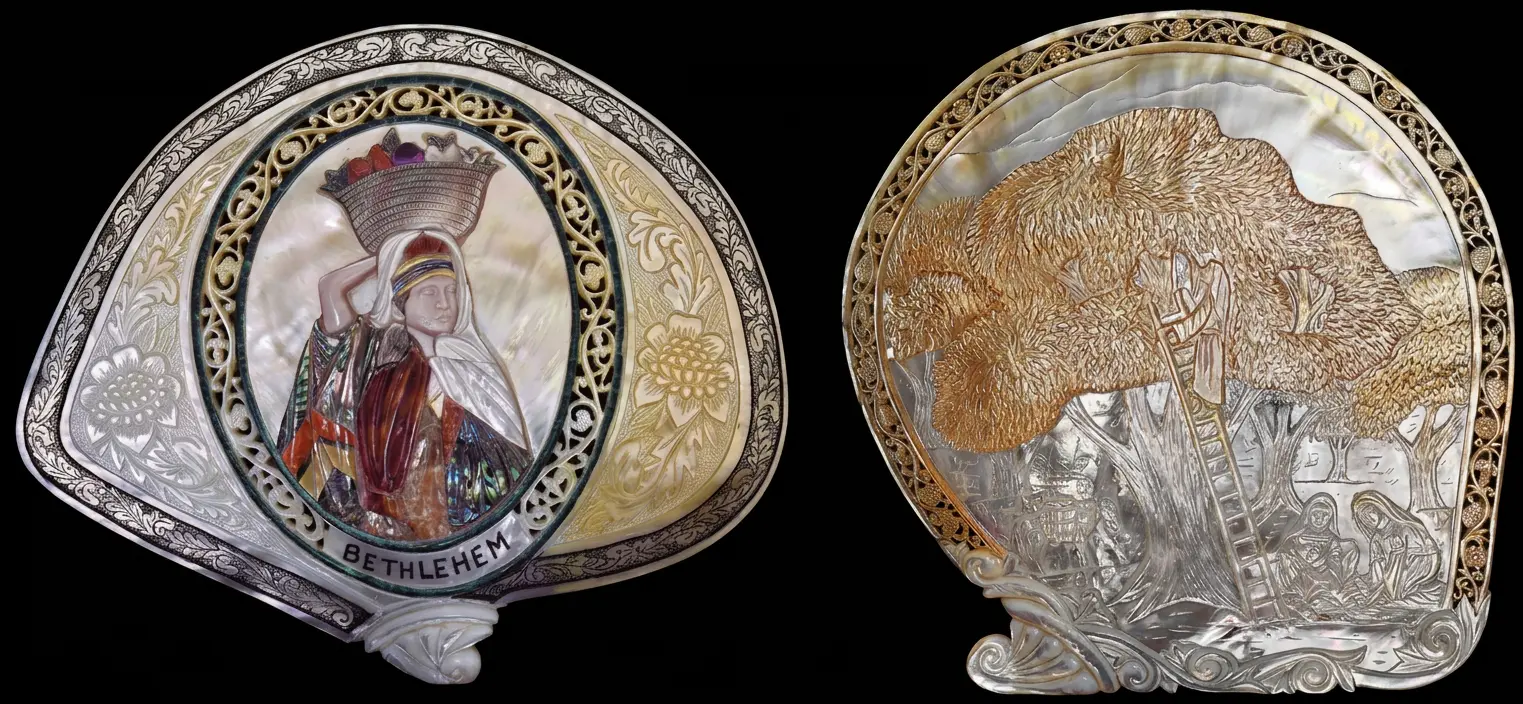
The pilgrims who purchased Tarajmeh crafts carried home not just souvenirs but tangible connections to the sacred, spreading of the clan’s reputation and faith across Europe and beyond.
This blend of craft, faith, and trade created and endearing legacy. The Tarajmeh clan demonstrated how commerce and spirituality could coexist and reinforce one another, how economic activity could serve religious devotion, and how cultural exchange could strengthen communities across vast distances and centuries of time.
Today, the routes they travelled, the goods they traded, and the pilgrims they guided remains central to our understanding of mediaeval Mediterranean history. The Tarajmeh clan stands as a testament to the power of commerce, faith, and human connection to shape the course of history.